
For podcast hosts and producers · Vitamin C
Vitamin C: Listening to the Experts
Dr. Carolyn Dean, MD ND, spent decades assuming vitamin C was settled science. What she found, when she went back to the people who worked with it, was a nutrient everyone recognises and almost nobody has studied properly: a hundred years of physicians who used it, and very little of that work ever followed up. The book asks a plain question, why a nutrient this basic is still argued over, and the answer reaches into every day.
Not a cold remedy that lives in a cupboard
Vitamin C is what the body uses, every day, to build tissue, carry nerve signals and hold its own defences, and most of us get less of it into our cells than we think. The body cannot make its own. Sugar competes with it for the door into the cell. Collagen, nerves and immune defences all draw on the same small supply. So what you eat on a normal day decides how much gets in, and what gets in is what the body builds, repairs and defends itself with.
Six doorways into the subject. Open one, and you have Dr. Dean for the hour.
You already take vitamin C. You have not heard this.
You have known about vitamin C your whole life, and you probably reach for it when a cold is coming. What you have not heard: nobody has measured where Americans stand with it since 2006, scurvy is turning up in children in wealthy countries this decade, and the physicians who used it at scale for a hundred years were mostly never followed up. That is the hour. Not a supplement pitch, but the questions you would ask if you knew they were still open, one mechanism you can picture, and one question worth taking to your own doctor. No product, no dose, no brand. And with six ways into the subject, the hour on your show will not be the hour heard on another.
You eat well and still wonder what actually gets in.
Sugar and vitamin C use the same door into the cell, so an ordinary day of eating quietly decides how much reaches the places that need it. She traces that day from breakfast to bed, without a food list, until the choices make themselves. Her line for it: “Sugar isn’t just empty calories. It’s vitamin C’s arch-nemesis, overfeeding your cells but starving your defenses.”You are a parent, and something is not adding up.
Scurvy is being diagnosed in children in wealthy countries this decade, usually after months of tests for something else. She has the case reports and tells them the way a clinician tells a story: what was looked for first, what was never checked, and how a parent ends up with a better question to bring to the next appointment.You are looking after a parent who is slowing down.
Bruising across fragile skin, slow healing, tiredness that gets put down to age. She has been pointing at that picture since the 1980s, and she explains why the body’s repair work draws on vitamin C, why older adults run short without anyone noticing, and what a caregiver can reasonably ask to have looked at.You already take vitamin C and wonder if it does anything.
The gap between what is swallowed and what reaches a cell is the whole conversation: the forms it comes in, timing against meals, and the one situation in which more is not better. She will not hand out a number, and the reasons she will not are the most useful part of the hour.You care about your heart, or about how you will age.
A Nobel laureate spent his last years arguing that heart disease is slow vitamin C deficiency, and published a mechanism for it. Routine testing for the marker at the centre of that idea arrived only once there were drugs to sell. She separates what is hypothesis from what is evidence, says what has changed recently, and says what would change her mind.You want to know why the science is still unsettled.
The cure for scurvy was proven, published, and then ignored for four decades by the navy that needed it most. She draws the line from that to a modern literature that is long, clinical and largely unfunded, and she is candid about where the comparison breaks down. It ends on a plain question: who pays to study a molecule nobody can patent.What to expect from the hour
| Her manner | She teaches rather than pitches, and names the limits of the evidence before you ask. |
| Pushback | Sceptical questions are welcome. She is comfortable being pushed, and the segment is better for it. |
| Her limits | She will not diagnose a listener, give a dose, or name a product on air. |
| The arc | Open in the age of sail, land in a paediatric clinic this decade. Same disease, same missed diagnosis. |
| The logistics | Thirty to ninety minutes, remote, on your platform. Review copy and a question set for your doorway arrive first. |
Why she wrote it, and what she argues
I did not write this book because I believe vitamin C is a miracle cure. I wrote it because I believe important questions deserve to be asked and answered.
Dr. Carolyn Dean, MD ND Vitamin C: Listening to the Experts
-
The primary reference
Vitamin C: Listening to the Experts
Most people think they know vitamin C: oranges, colds, immune support. Her opening claim is that the nutrient has been reduced to one function while its wider work goes unread, and that scurvy never went away. The book asks why we cannot make our own, why the animals used to study it can, why Pauling’s heart hypothesis was never tested, and why the research record on an unpatentable molecule is so thin. She does not claim to have all the answers. She sets out who has been asking the questions for a hundred years, and what they found.
Read more on DrCarolynDean.com (opens in a new tab)
Where the book ends and the hour begins
Five things people are not being told. Do they fit your show?
Read the five against your audience. The book is where each one is made in full; the hour is where they meet your listeners, as mechanism and history rather than a protocol, and it lands hardest on immune, cold season, metabolic and medical freedom shows. If they hold for your show, the fit is real, and if one does not, say so and she will shape the hour around what does. And if the hour lands, the sugar conversation follows directly from it and makes an easy second booking.
Five things she teaches, and who needs to hear them
| We lost the gene that makes vitamin C, and the lab animals did not. | For the listener who wants the model: a research literature built on animals that were never short of it, and that make more of it under stress. |
| Sugar competes with vitamin C for the door into the cell. | For the listener who arrives with a symptom and a diet: one mechanism they can picture, and a question for their own doctor. |
| Scurvy is a spectrum, not a historical disease. | For the caregiver in the audience: the bruising on an elderly parent’s skin, the child with months of the wrong tests, and what to ask to have checked. |
| Oral vitamin C and intravenous vitamin C are different things, and the second belongs to clinicians. | For the practitioner listening: she keeps the two apart in print and names the one contraindication herself. |
| A molecule nobody can patent does not get its trials. | For the listener who already takes it and wants to know why the argument is still open: the funding history, Pauling’s heart hypothesis and why she believes it was set aside, and what would change her mind. |
Guardrails, so nothing has to be cut in post
- What she claims. A research gap and a transport mechanism. Not that vitamin C treats, cures or prevents any named disease.
- What she will not do on air. Diagnose a listener, give a dose, or name a product. High dose means two grams to fifty depending on the practitioner, and she says so.
- How she handles thin evidence. Where a study is old, uncontrolled or observational, she says so as she goes, not afterwards.
- The line she stays on, and why it helps you. Describing how the body uses a nutrient is conversation; saying a supplement treats, cures or prevents a disease is a drug claim, and the FDA and FTC listen to podcasts too. She stays on the first side by habit, so nothing needs a disclaimer bolted on afterwards. Nothing is sold through the hour, so there is no arrangement for you to disclose; if you link the book, saying it is hers is the whole of it.
- What that means for you. A segment that holds up with a scientifically literate audience and needs no compliance edit before it ships. If your platform has a health-claims policy, send it with the booking and she will record inside it.
More of what people are not being told
Five subjects, one guest, and each one is a conversation your audience has not heard properly. If a different one fits your listeners better, take it. The booking request is the same either way.
Who she is, and how to book her
Credentials, media record, format and terms, and the booking request. Everything that is true whichever subject you pick.
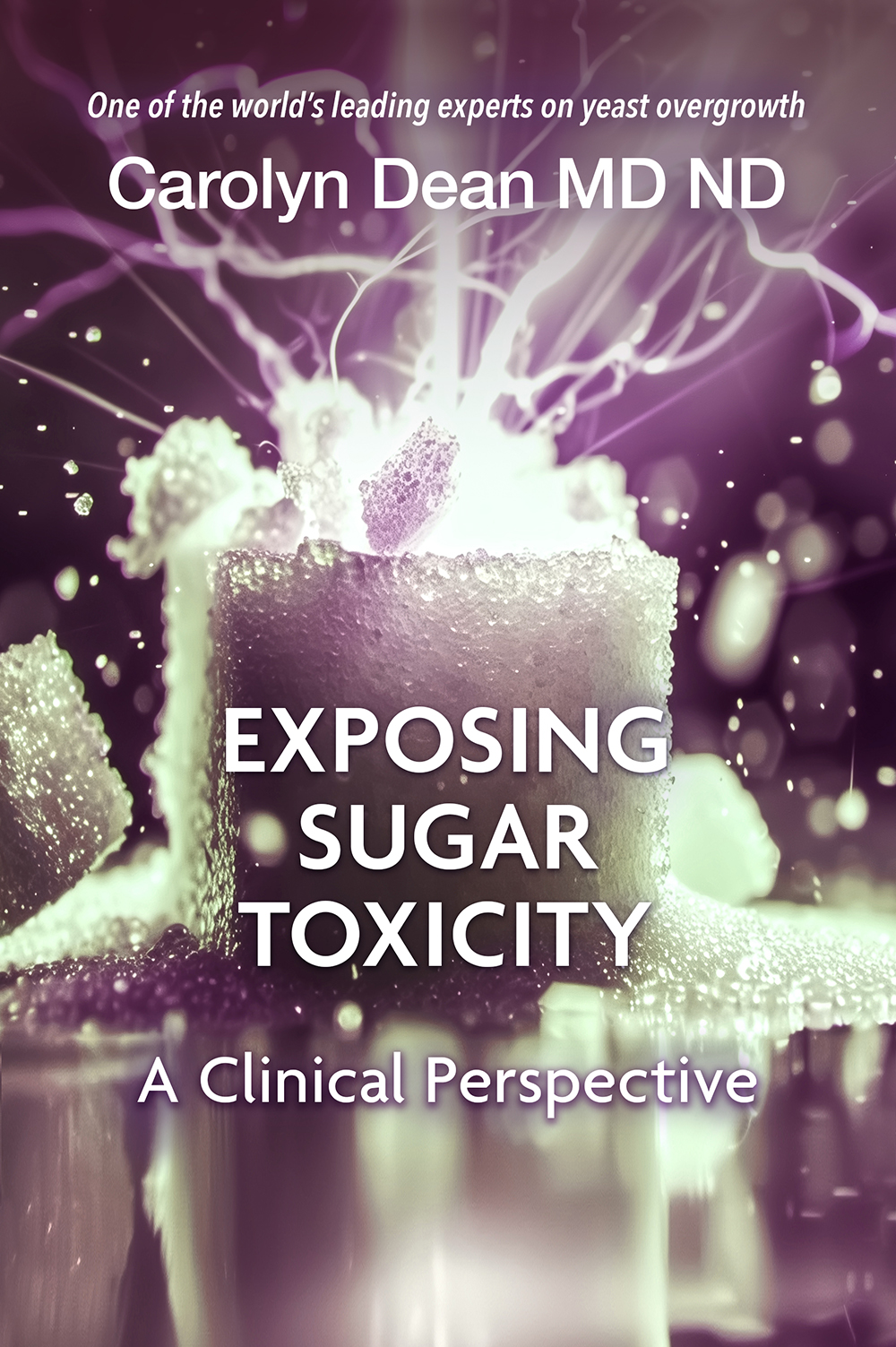
Exposing Sugar Toxicity: A Clinical Perspective
Sugar as a nutrient thief, and what that costs a body over a year.

Magnesium: The Missing Link to Total Health
A testing failure, not a supplement pitch.

Death by Modern Medicine
Iatrogenic harm read as a system property.
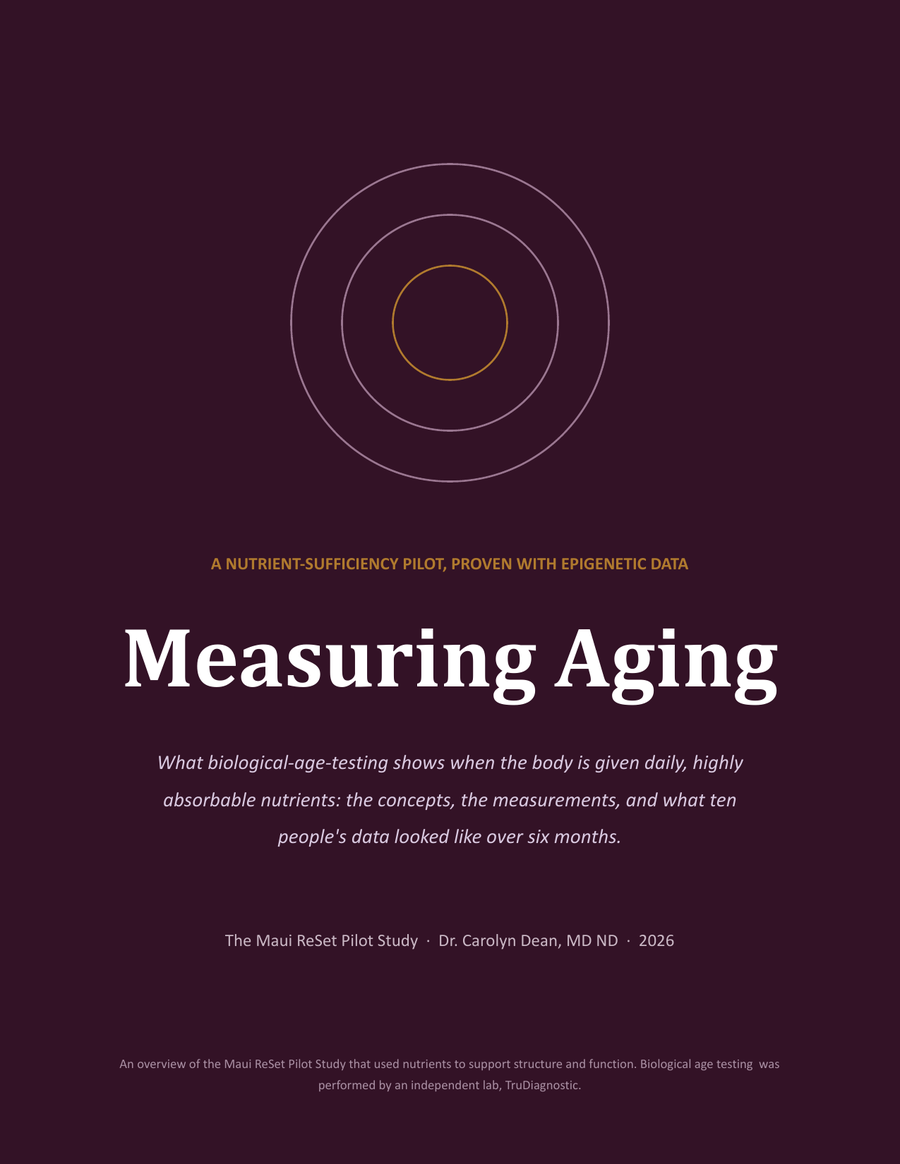
Measuring Aging: The Maui ReSet Pilot Study
How ageing is measured, and what ten people’s clocks did in six months.