From the Desk of Carolyn Dean MD ND
The Real New Year Reset Starts at the Cellular Level
January often arrives with equal parts motivation and burnout. Nearly half the population begins the year determined to “reset” with diets, detoxes, or sheer willpower. Yet by mid-February, most of those resolutions have collapsed. Research shows that roughly 80% of resolutions fail early, and only about 6–10% of people sustain them for a full year. The solution isn’t another diet — it’s a cellular mineral reset that restores the body’s foundational resources.
There’s a reason staying on track feels so difficult—and it’s not a lack of discipline.
The real problem is cellular depletion, especially after the holidays. Your body simply doesn’t have the nutritional resources required to support meaningful, lasting change. When your cells are undernourished, motivation becomes fragile, energy unreliable, and willpower ineffective. No amount of teeth-gritting determination can compensate for that.
As I explain in The Magnesium Miracle: “When magnesium is low, every system—neurological, muscular, and hormonal—struggles to find its rhythm.”
Why Does Willpower Fail When Minerals Are Low
Why Willpower Fails When Cellular Minerals Are Depleted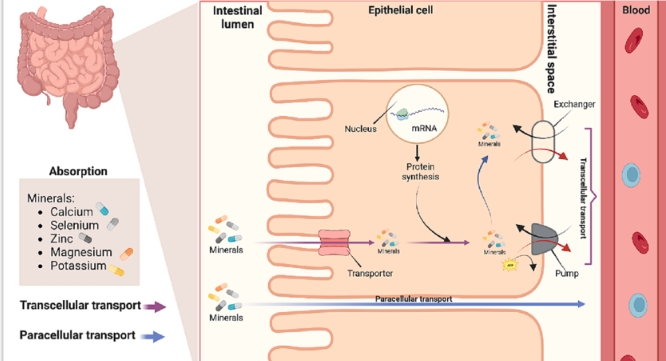
Magnesium plays a critical role in brain chemistry, particularly in the production and function of serotonin—the “feel-good” neurotransmitter that supports motivation, mood, and emotional resilience. When magnesium is low, the brain is more vulnerable to apathy, anxiety, brain fog, and low mood. This is why a cellular mineral reset is often more effective than willpower-based change.
This helps explain why New Year resolutions often fade so quickly. A magnesium-deficient brain simply doesn’t have the resources to sustain focus, motivation, or self-care over time.
So instead of asking, “Why can’t I stick with this?” a better question might be: What if it’s not a character flaw—but a mineral deficiency?
How Mineral Deficiency Impacts the Brain, Muscles, and Hormones
Magnesium deficiency rarely affects just one system. When the brain is low, muscles and hormones are usually affected as well.
This is why a new exercise routine can backfire. Magnesium-deficient muscles are more prone to cramping, spasms, fatigue, and prolonged soreness. Many people quit exercising not because they lack commitment—but because their bodies feel punished rather than supported.
Magnesium is also a key regulator of hormonal balance. It influences adrenal function, the stress response, thyroid activity, and reproductive hormones. Without adequate magnesium, the body struggles to adapt to positive changes—even when those changes are beneficial.
When minerals are restored, a cellular mineral reset allows the brain and body to recover together. The fastest way to feel better in the new year isn’t restriction.
It’s remineralization.
The Post-Holiday Mineral Crash and January Fatigue
Why You’re Exhausted in January: The Post-Holiday Mineral Crash
This post-holiday crash is a clear sign the body needs a cellular mineral reset. As I write in Sugar Without the Icing: “Sugar robs the cells of magnesium, leaving the nervous system overstimulated and undernourished.”
Holiday stress, sugar, alcohol, disrupted sleep, and travel all accelerate magnesium loss. Many people reach January 1st expecting to feel renewed—yet instead experience:
- Morning fatigue
- Anxiety or irritability
- Restless sleep
- Afternoon energy crashes
- Muscle tension
This isn’t mysterious. It’s cellular underpowering. Because magnesium and mineral deficiencies are already so widespread, most people enter January already depleted.
Why “Electrolyte Hacks” Miss the Mark
In search of quick fixes, many people turn to trendy hydration mixes, adrenal cocktails, and brightly colored powders promoted by influencers. While these trends may raise awareness about minerals, they often overlook one crucial factor: absorption at the cellular level.
Magnesium replenishment isn’t a hack. For minerals to create real biological change, they must be properly absorbed and utilized inside the cell.
Short-lived boosts may feel energizing, but they don’t address the underlying deficiency. Trends generate views. Cellular repair creates results.
Dr. Dean’s Quick Remineralization Principles
- Magnesium Drives Metabolism
- Involved in over 80% of metabolic functions and 800 enzyme systems.
- Essential for ATP production, insulin regulation, thyroid output, and serotonin synthesis
- Stress Rapidly Depletes Minerals
As noted in The Complete Guide to Mental Health:
Stress burns through minerals like logs on a fire.
- Minerals Support Hormones, Mood, and Energy
- Stabilize adrenal function
- Help regulate cortisol
- Support healthy sleep cycles
Minerals aren’t an optional supplement—they are the foundation.
Cellular Magnesium Support with ReMag® Pico-Ionic Formula
ReMag is my uniquely formulated, pico-ionic magnesium designed to absorb directly at the cellular level.
- Gentle on the digestive system
- Fast-acting and supportive during periods of stress and adrenal recovery
ReMag goes where it matters—inside the cell.
Many people notice benefits such as:
- Calmer mood
- Improved sleep
- More stable energy
- Reduced muscle tension
Consider a Mental Health Reset—From the Inside Out
A mineral-deficient brain cannot effectively regulate mood, stress, or sleep. And it certainly can’t support you through a willpower-only New Year reset.
Before blaming yourself, check your minerals.
- Explore The Complete Guide to Mental Health
- Recognize that post-holiday fatigue is often mineral-driven
- Start with magnesium
A true reset begins at the cellular level.
Get Direction, Become a Member
Carolyn Dean, MD ND
The Doctor of the Future
Get the Full Cookbook
50+ Yeast ReSet recipes | 7-day menu | Shopping lists