
Vitamin Sufficiency
Lens: SufficiencyVitamin sufficiency is simply having enough in your body to power metabolic functions. People, as they age, most often fall short of the following vitamins: Vitamin D, B vitamins (folate, B12) and vitamin C. These are the raw materials for immune defense, DNA maintenance, collagen production, and energy. TruDiagnostic’s TruHealth panel reads a vitamins signature and reports it as a percentile, where higher reflects better sufficiency. Because it responds to daily intake, this marker can shift within months.
Are you ready to embark on the Maui ReSet Protocol? See the Seven Formulas and the Dosing Schedule so you can do your own Maui ReSet Study.
Start the Protocol →
“It’s obvious to me that the more research that is done on nutrients, the more they will find that all the nutrients work together synergistically.”
Participants improved their vitamin markers on the TruHealth panel over six months, one of the broadest changes in the study showing that the vitamins taken were highly absorbed.
Behind that number are ten everyday people, ages 34 to 79. Vitamins were one of the most consistent gains in the study. The full picture, including the participants whose readings held steady or rose, is told on the Maui ReSet Study Page. Click Here. Here are two of the stories of participants who had overall gains in their vitamin markers.
Where it showed up
Pseudonyms, release gatedpercentile
The oldest participant in the study, and the biggest vitamin gain, was Sarah even though she was hospitalized mid study and still refilled her stores. Her vitamin markers rose from the 52nd to the 78th percentile.
percentile
Pauline works in the wellness field and never missed a dose. Even during three unexpected mainland trips over the course of the study, her depleted B vitamins came back strongly: pantothenic acid (B5) climbed from the 7th to the 84th percentile, B6 from the 18th to the 58th, and inositol (B8) from the 22nd to the 51st, with her overall vitamin marker rising to the 68th percentile.
Vitamin sufficiency means covering the ones most often short, so the foundation brings these together. The food-based, methylated Bs in ReAline® leads, with D3K2 ReSet® and Vitamin C ReSet® in support. Swipe to see each.
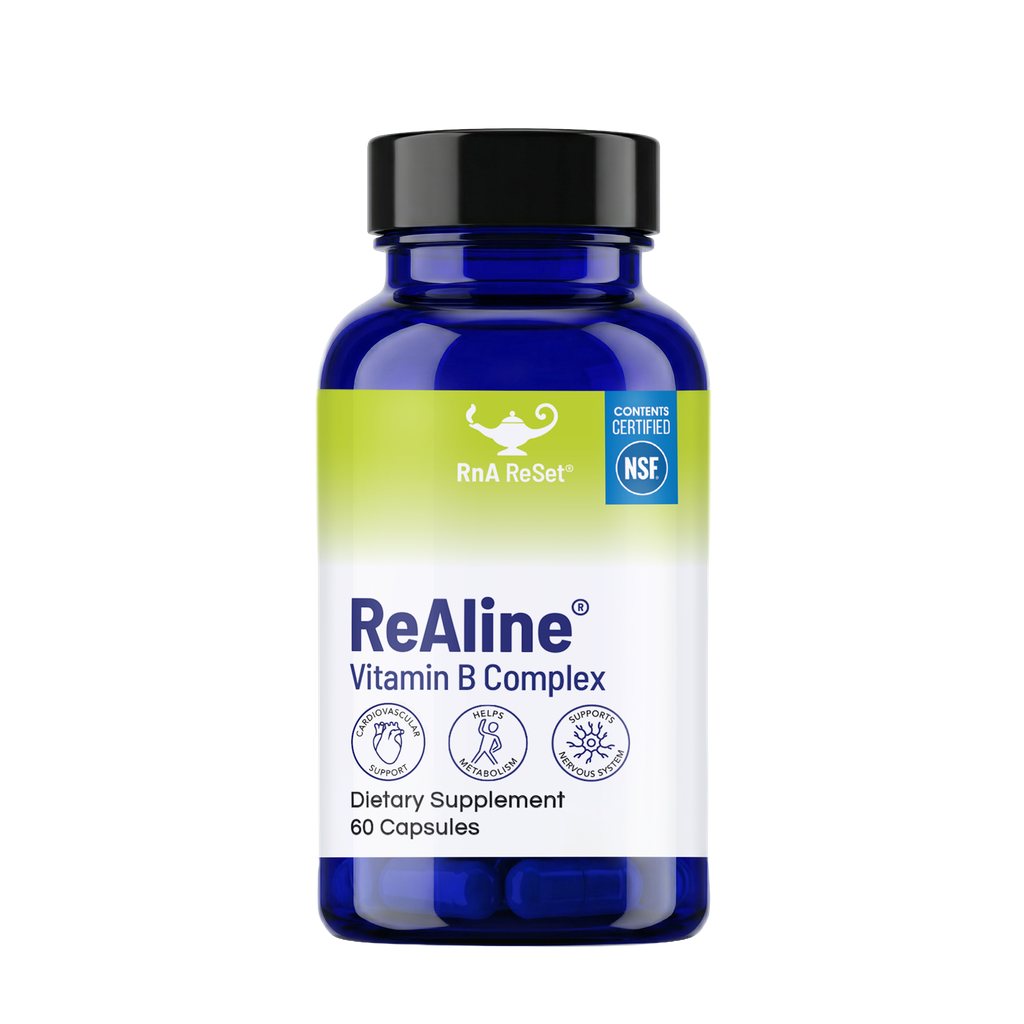
ReAline®
Food-based, methylated B vitamins with L’methionine and L’taurine. Folate and B12 are among the most deficient B vitamins and ReAline supplies them in active forms the body can use.
Buy on rnareset.com View formula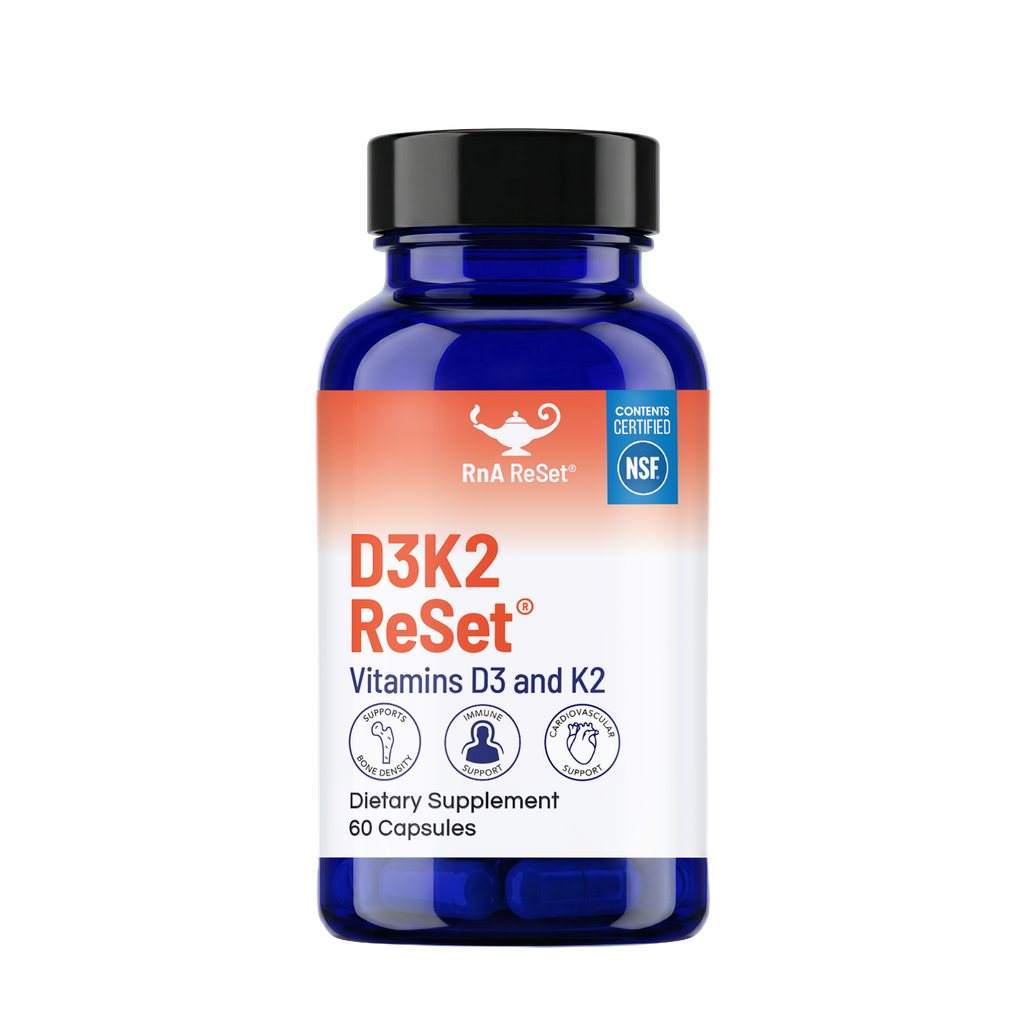
D3K2 ReSet®
Vitamin D is a very common nutrient deficiency and is necessary for many vital functions including immune function and bone structure. Vitamin K2 helps direct calcium to bones and teeth.
Buy on rnareset.com View formula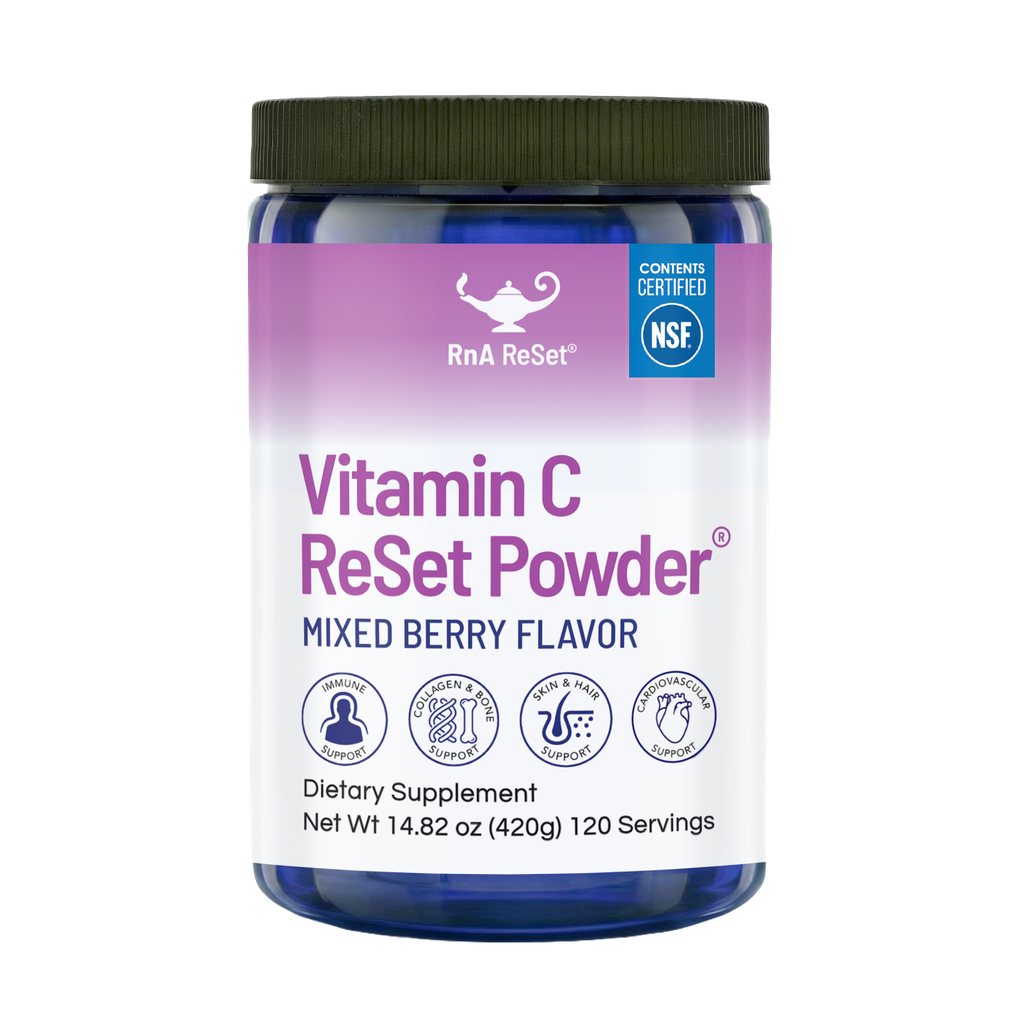
Vitamin C ReSet®
Vitamin C is required to build collagen and to support the body’s antioxidant defenses. Collagen makes up one third of total body protein structure, so vitamin C should not be overlooked.
Buy on rnareset.com View formulaFormulated by Dr. Carolyn Dean. Made and sold by RnA ReSet. Purchased on rnareset.com.
The science of nutrition and synergy
Nutrient sufficiency is the quiet foundation of healthy aging, and vitamins, B, C and D are the ones people most often fall short of. The NIH Office of Dietary Supplements notes that vitamin D supports normal immune function and bone, that folate is required for normal cell division and for homocysteine metabolism, and that vitamin C is needed to build collagen and to support antioxidant defenses. These foundational formulas: the methylated B vitamins in ReAline®, vitamin D in D3K2 ReSet®, and vitamin C in Vitamin C ReSet® help optimize levels in the body.
Independent research links this same sufficiency to aging biology. Across cohorts, low vitamin D tracks with poorer healthy aging outcomes and higher mortality, and in deficient older adults, starting vitamin D was associated with slower epigenetic aging. Better folate status is linked to a younger epigenetic age, and higher vitamin C intake has been associated with longer telomeres.
Commonly asked questions
What is nutrient sufficiency, and why does it matter for aging?
Vitamin sufficiency simply means having enough of the vitamins your body runs on each day, rather than running a quiet, chronic shortfall. Several nutrients grow harder to keep at optimal levels with age, so taking them every day is the best approach to healthy aging.
Which vitamins do people most often run short of?
Vitamin D is the most common shortfall, especially in older adults and especially in winter. The B vitamins, particularly folate and B12, are next, and many people are also low in vitamin C because we humans don’t make our own vitamin C. These are the ones the Maui ReSet Protocol covers.
What does the vitamins marker on a TruHealth report mean?
They are epigenetic signatures associated with vitamin status, reported as a percentile from 0 to 100 where higher is more favorable. A rising percentile suggests better overall vitamin sufficiency. It is a trend to watch over time rather than a single report.
Why food based vitamins instead of high dose pills?
Sufficiency, not megadosing, is the goal. Food based forms in sensible amounts are gentler and closer to how the body obtains these nutrients from whole foods. Most vitamins are water soluble and should be taken daily to keep levels steady rather than chasing a large dose after a shortfall sets in.
Will vitamins lower my biological age?
We cannot claim that any supplement reverses aging or changes a biological age test on its own. These formulas support the normal structure and function of your body, part of an optimal nutrient approach to healthy aging.
Your Vitamin Sufficiency Is a Starting Point
A reading is a snapshot, not a diagnosis, and keeping the basics covered is the part you get to work on. See how ten real people moved over six months, explore the daily protocol, and meet the formulas behind it.

See the Pilot Study
Ten real people, six months, the biomarkers and the honest results.

Explore the Protocol
The guided daily routine built on seven nutrient formulas, run in two phases.
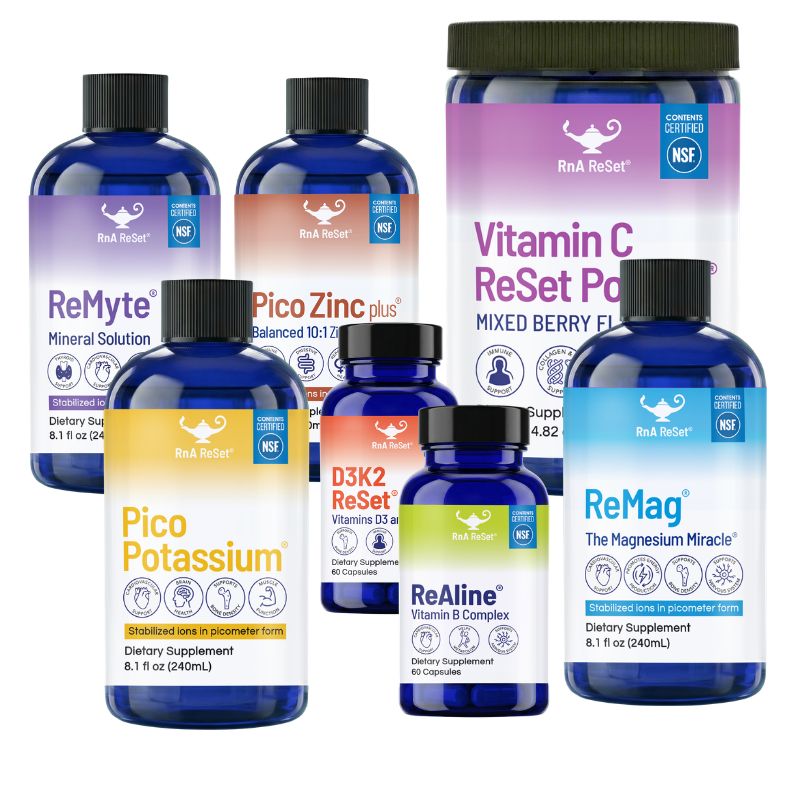
Meet The Maui ReSet Bundle
The seven-formula Maui ReSet Bundle, sold on RnA ReSet as the Cell Nutrient Stack, and the nutrients behind each one.