
Metabolism & Hormones
Systems: Metabolic · HormoneHormones are essential for regulating and managing metabolic processes, including: growth, reproduction, and mood, and influencing how the body converts food into energy. Key hormones like insulin, thyroid hormones, sex hormones, adrenaline, and cortisol play significant roles. These hormonal messengers affect the pancreas, thyroid, ovaries/testes, and the adrenals, respectively. Metabolism and your hormones work as one system as the body turns food into energy; holds blood sugar steady; and send signals to the endocrine glands. Both systems lean heavily on minerals that are lacking in the modern diet: magnesium for handling blood sugar; nine minerals including zinc, selenium, and iodine for thyroid hormone production; and the B vitamins, essential for energy production, red blood cell formation, and maintaining healthy brain function. This page gathers the two systems and the vitamins, minerals, and essential fatty acids that keep functioning normally with age.
Are you ready to embark on the Maui ReSet Protocol? See the Seven Formulas and the Dosing Schedule so you can do your own Maui ReSet Study.
Start the Protocol →
Magnesium’s most important function is the creation of energy in the trillions of cells making up our body.

The systems in this Pillar
Two systems, metabolism and hormones, age together and both are unusually nutrient-dependent.
Metabolic
Human metabolism in humans encompasses a complex set of chemical reactions that convert food into energy with the ability to switch fuels back and forth from glucose to fats. It works with building blocks necessary for growth, repair, and maintenance of bodily functions. It encompasses both catabolic processes that break down molecules to release energy, and anabolic processes that use energy to construct cellular components. There is a lot going on and to do it all, metabolism depends on magnesium, trace minerals, B vitamins, and essential fatty acids that may falter with age and diminished nutrient intake.
Hormone
Endocrine signaling to the pancreas, thyroid, sex hormones, and adrenals shifts with age and relies heavily on trace minerals such as magnesium, iodine, selenium, zinc, manganese, molybdenum, chromium, copper, sodium, calcium, potassium, and boron. Insulin function requires magnesium in about 8 different steps and carries glucose into cells. A little known fact is that vitamin C uses insulin for transport into cells and too much sugar in the diet can bump vitamin C off insulin and cause vitamin C deficiency in the cells. Thyroid metabolism can be fast or slow, hyper or hypo and depends on 9 minerals that make thyroid hormones that influence energy expenditure, growth, and development. The sex hormones depend on nutrients and the healthy functioning of the other endocrine organs. The adrenals require vitamin C, the B vitamins, magnesium, and sodium to function optimally.
Metabolism and Hormones draw on the seven-formula Maui ReSet Bundle, plus Omega-3 Algae A+E, added for the second half of the protocol (months 4-6).

ReMag®
Picometer-sized stabilized magnesium ions are necessary for the cellular energy and DNA repair that healthy aging depends on. Six hundred to eight hundred enzyme processes and 80% of known metabolic functions are powered by magnesium.
Buy on rnareset.com View formula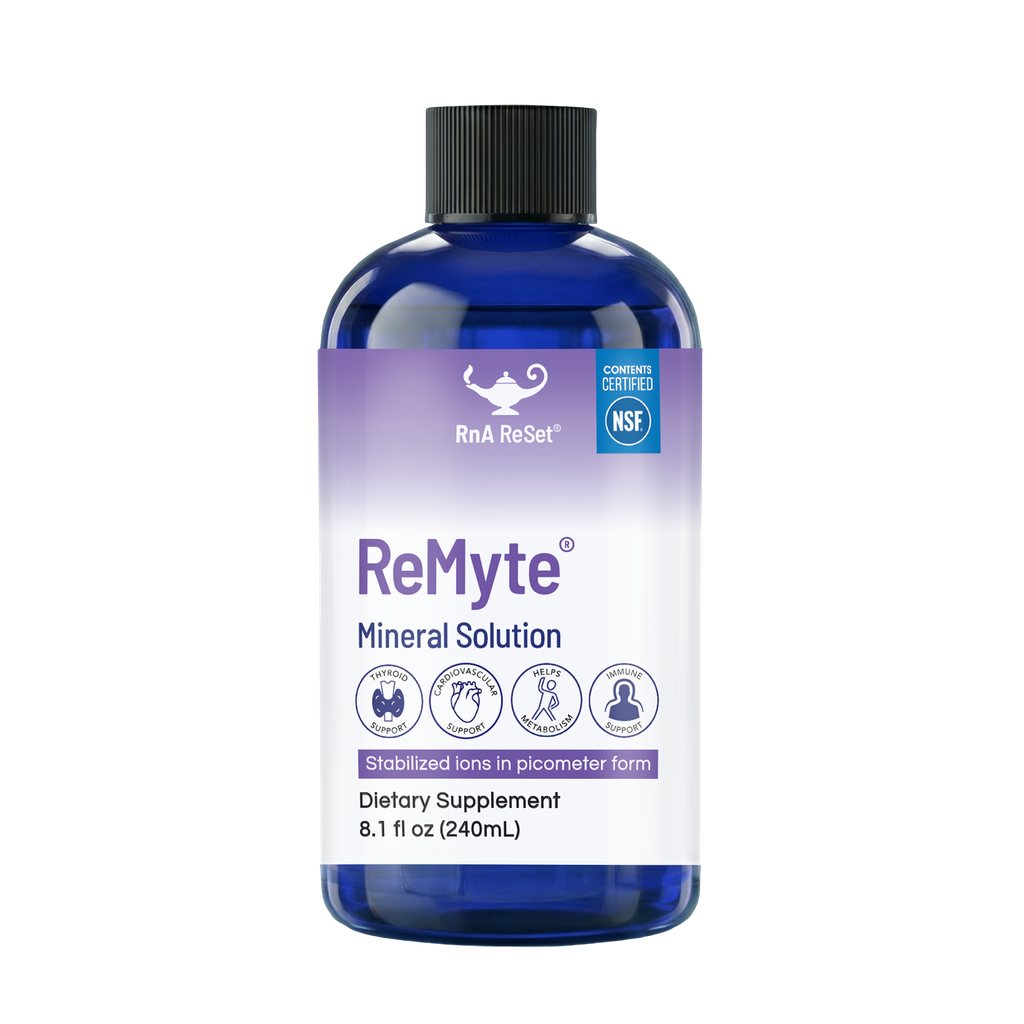
ReMyte®
Twelve picometer-sized, stabilized mineral ions including chromium, selenium, and iodine are necessary for production of thyroid hormones. Magnesium, sodium, vitamin C and the B vitamins support the adrenal glands. The trace minerals, especially zinc support the sex hormones.
Buy on rnareset.com View formula
Pico Zinc Plus®
Picometer-sized, stabilized mineral ions of zinc and copper are important to support hormone production.
Buy on rnareset.com View formula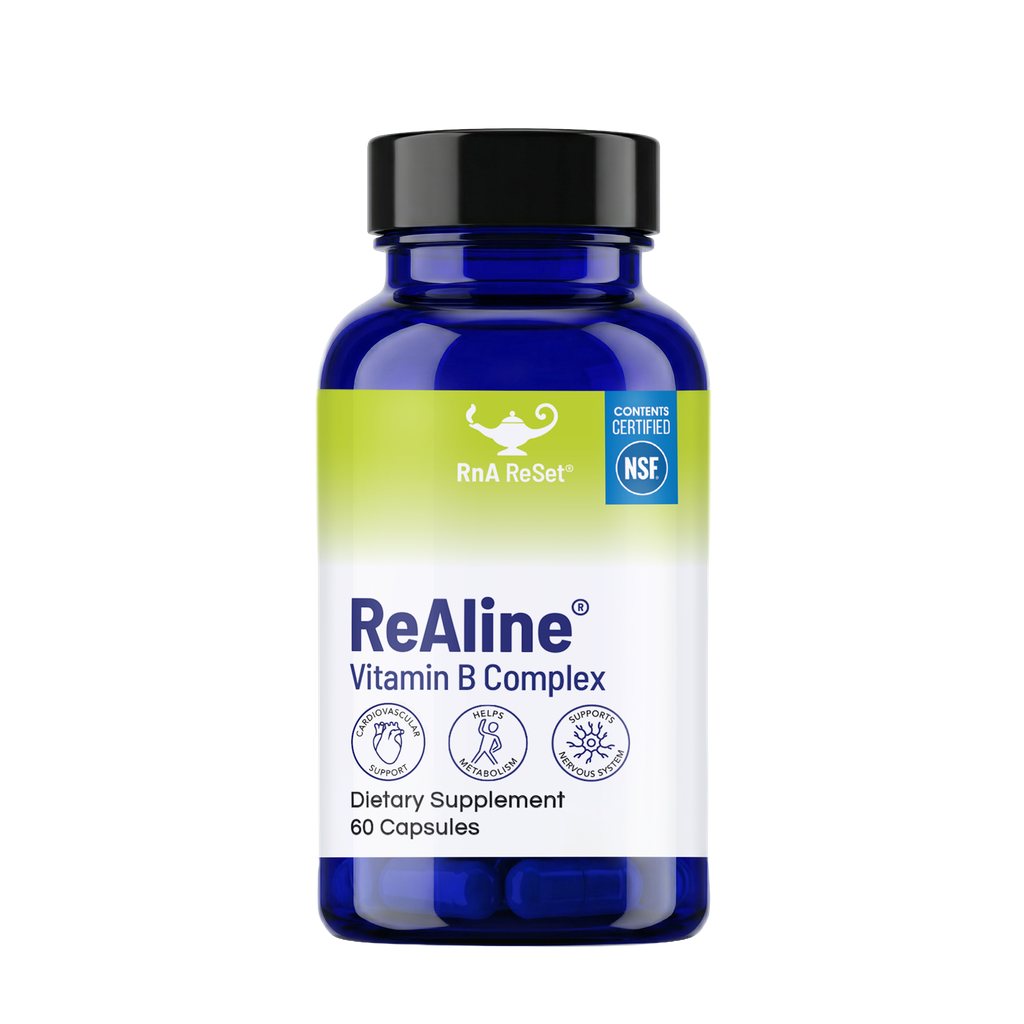
ReAline®
Methylated and food-based B vitamins power methylation pathways in the adrenal glands. They add methyl groups (CH3) to DNA, hormones, and help bind and neutralize toxins in the liver. Methylation is tied to healthy aging.
Buy on rnareset.com View formula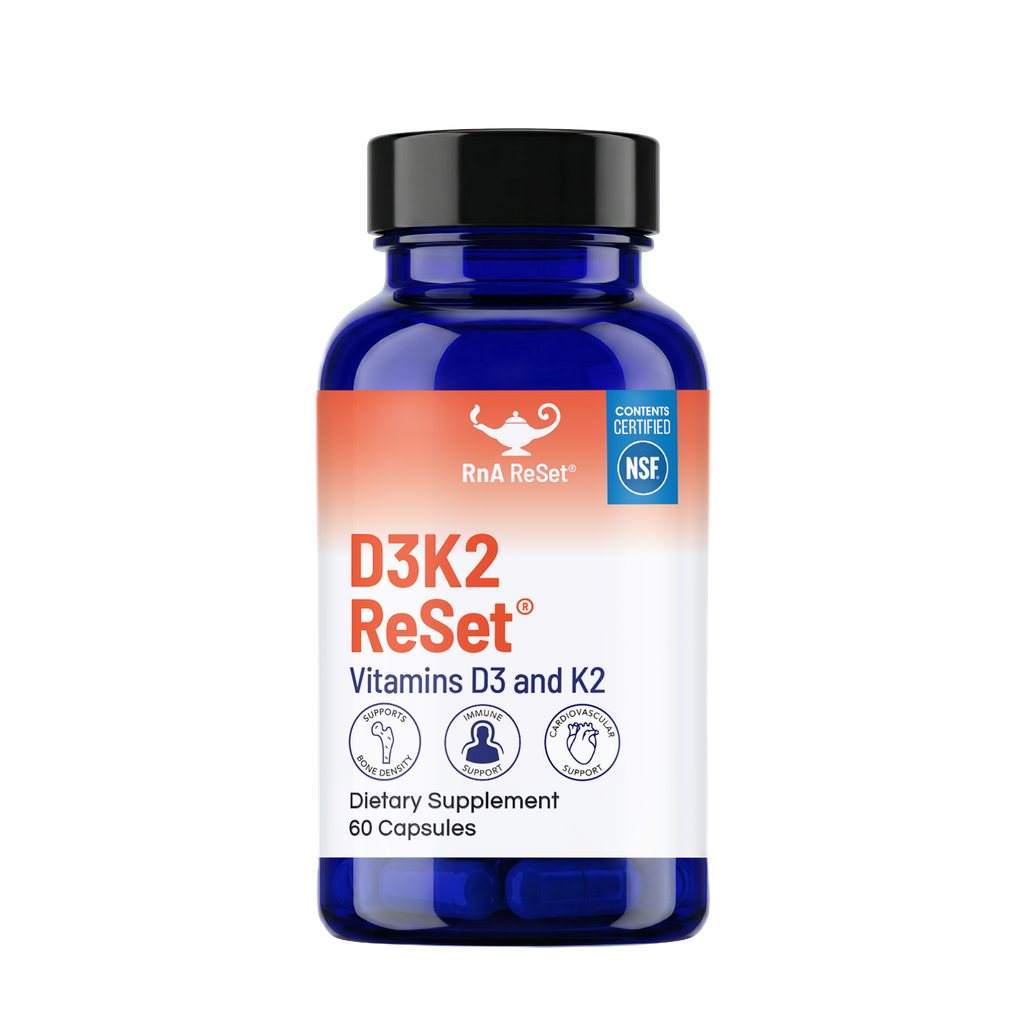
D3K2 ReSet®
Vitamins D3 and K2 work together to support the endocrine system. Vitamin D deficiency is linked to various endocrine disorders, including diabetes and thyroid dysfunction. It also plays a role in lipid metabolism and insulin sensitivity, impacting energy balance. Vitamin D activation requires magnesium.
Buy on rnareset.com View formulaFormulated by Dr. Carolyn Dean. Made and sold by RnA ReSet. Purchased on rnareset.com.
The science of nutrition and synergy
Metabolic function and hormones are among the most mineral-dependent systems in the body. Magnesium is the clearest example: the NIH Office of Dietary Supplements notes the role of magnesium in normal glucose and insulin metabolism. The thyroid, in turn, cannot make its hormones without nine different minerals including iodine and selenium. Zinc is required for insulin storage and hormone signaling, especially the thyroid and the sex hormones.
The B vitamins complete the picture. The coenzymes of energy metabolism, cellular and DNA chemistry, are: folate, B12, B2, and B6. They power the machinery that converts food into energy and supports hormone balance. This is a role the NIH summarizes in its overview of folate in normal metabolism. Delivered together, these nutrients support metabolism and hormones as a unit.
Common questions
What does the Metabolism and Hormones Pillar cover?
It groups two body systems that work together and age together: the metabolic system, which handles blood sugar and energy, and the endocrine (hormone) system, including the thyroid that defines metabolism. Both are unusually dependent on minerals and B vitamins.
Which nutrients matter most for metabolism and hormones?
Magnesium for glucose and insulin function; zinc and copper for insulin storage and hormone production; chromium, selenium, and iodine for blood sugar balance and thyroid hormone production; and the B vitamins along with magnesium for adrenal function and energy metabolism.
Can these formulas fix blood sugar or a thyroid problem?
According to the FDA, no such claims can be made. These nutrients are no longer sufficient in our food supply so they must be taken as dietary supplements; they are not drugs. They support the normal structure and function of the metabolic and endocrine/hormone systems. They do not diagnose, treat, or cure diabetes, thyroid disease, or any hormone condition. Speak with your health care practitioner about any specific concerns.
Why do the same formulas appear on other pages?
The body requires a limited number of basic nutrients and each organ system shares these raw material building blocks to make healthy cells. Magnesium, trace minerals, and the B vitamins support several systems at once, so ReMag, ReMyte, and ReAline recur across all the Pillars. That overlap is the reason a broad daily foundation, the Maui ReSet Bundle, makes the most sense.
How does this page relate to the other longevity pages?
This is one of six organ-system Pillar pages. It focuses on how metabolism and hormones age and what nutrients support them. For the daily routine and the full seven-formula foundation, follow the links below.