
Immunity & Inflammation
Systems: Immune · InflammationImmune system defense and inflammation are two sides of the same coin: an immune system ready to respond with an anti-inflammatory chemical attack that settles back down when the work is done. The problem occurs when inflammation keeps firing and flaring because it lacks the nutrients that keep it in check. As we age, both systems need more of the same nutrients: zinc and vitamin D reinforce a normal immune response; magnesium, selenium, and the omega-3 fatty acids dampen down inflammation. This page gathers these two systems and the vitamins, minerals, and essential fatty acids that keep normal function strong even as we age. Yes, the more we age, the more nutrients we appear to require. Is it decreased absorption; a lifetime of wear and tear; an increasing toxic load? Likely all of the above – but we are prepared to meet that need with well-absorbed foundational nutrients.
Are you ready to embark on the Maui ReSet Protocol? See the Seven Formulas and the Dosing Schedule so you can do your own Maui ReSet Study.
Start the Protocol →
Inflammation correlates with aging, and so much of it traces back to the minerals we quietly run short of.

The systems in this Pillar
Two systems that work together to protect us from outward attack and inward aging. We see that the older we get that more of these nutrients are needed but the less we seem to get.
Immune
The immune system is a whole symphony of players with the B lymphocytes producing antibodies; T lymphocytes coordinating immune responses; and natural killer cells helping to identify abnormal cells and to mount an attack. Neutrophils are among the body’s first responders, engulfing and removing unwanted microbes through a process called phagocytosis. Immune defense can weaken with age, if we let it. This means we need to lean more heavily on zinc, vitamin D, vitamin C, and the trace minerals that are required to orchestrate a normal immune response.
Inflammation
It’s a military operation: First, signaling molecules in the immune system transmit information between cells to recognize and combat pathogens. Some of that information leads to increased blood flow and permeability of blood vessels, allowing immune cells to exit the bloodstream and reach the affected tissue. Then come the immune cells, including macrophages and neutrophils that are activated to respond to injury or infection; they release cytokines and chemokines to recruit additional immune cells. Following the inflammatory response, mechanisms are activated to repair damaged tissues, including a proliferation of fibroblasts and endothelial cells. A normal inflammatory response is part of healthy aging but it requires lots of cofactor nutrients like magnesium, antioxidant minerals, vitamin C, vitamin D, and omega-3 fatty acids to support the body’s ability to keep inflammation in balance. This is not information that doctors learn in medical school.
Immune defense and inflammatory balance actually draw on the following seven-formula Maui ReSet Bundle, plus Omega-3 Algae A+E, added for the second half of the protocol (months 4-6). Swipe to see each.
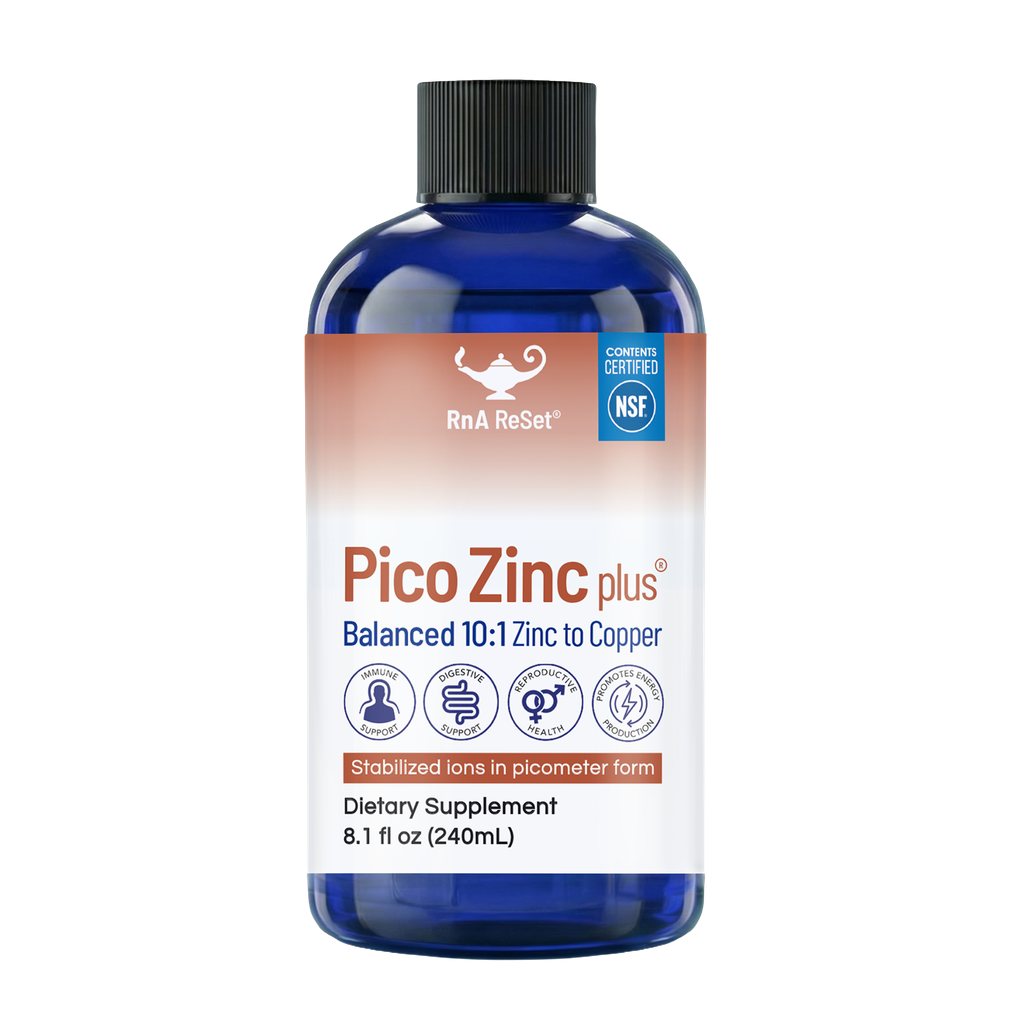
Pico Zinc Plus®
Balanced picometer-sized, stabilized zinc and copper ions for the enzyme activity and antioxidant defenses that support our immune system keeping cells free of foreign invaders. Copper is also necessary for proper iron transport and metabolism.
Buy on rnareset.com View formula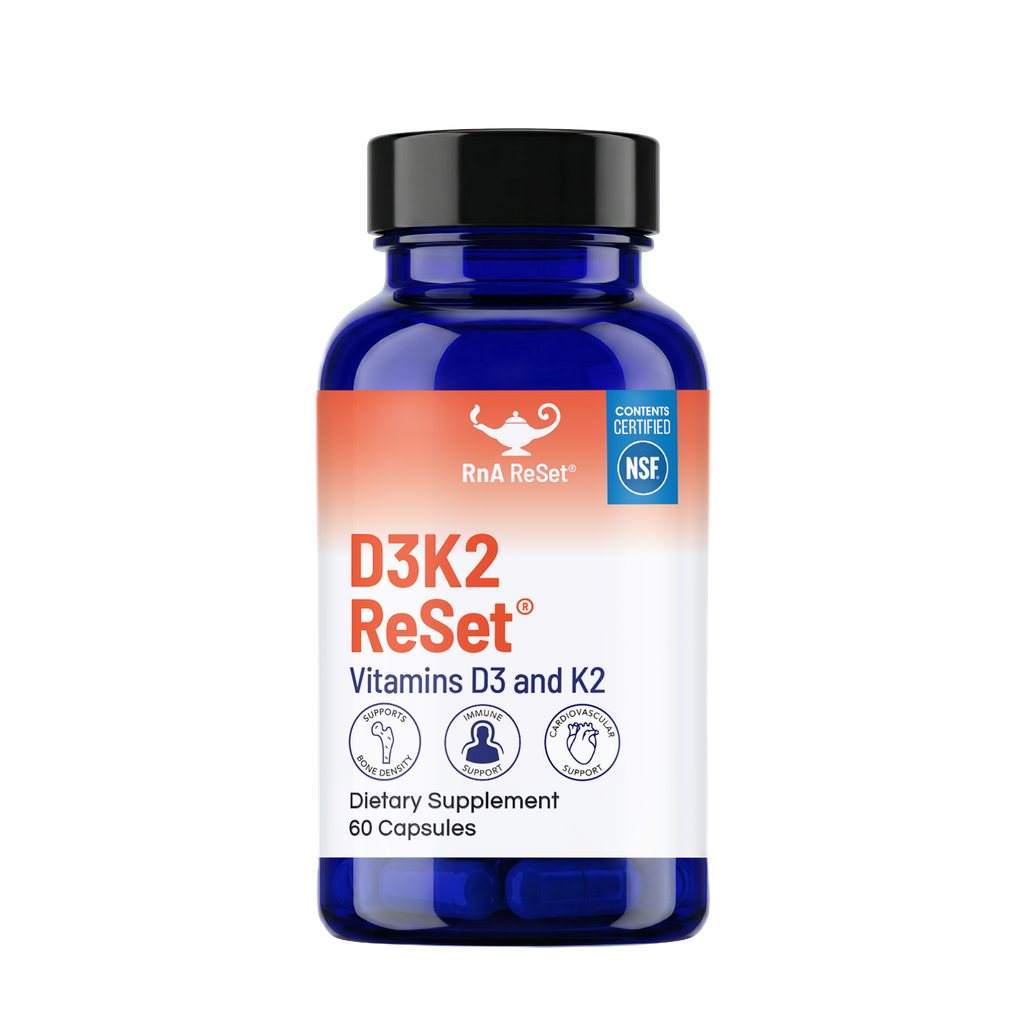
D3K2 ReSet®
Vitamin D plays a crucial role in modulating the immune system. It enhances the innate immune response with white blood cells like neutrophils. It also helps regulate adaptive immunity, which produces B cells and T cells. Vitamin D activation requires magnesium.
Buy on rnareset.com View formula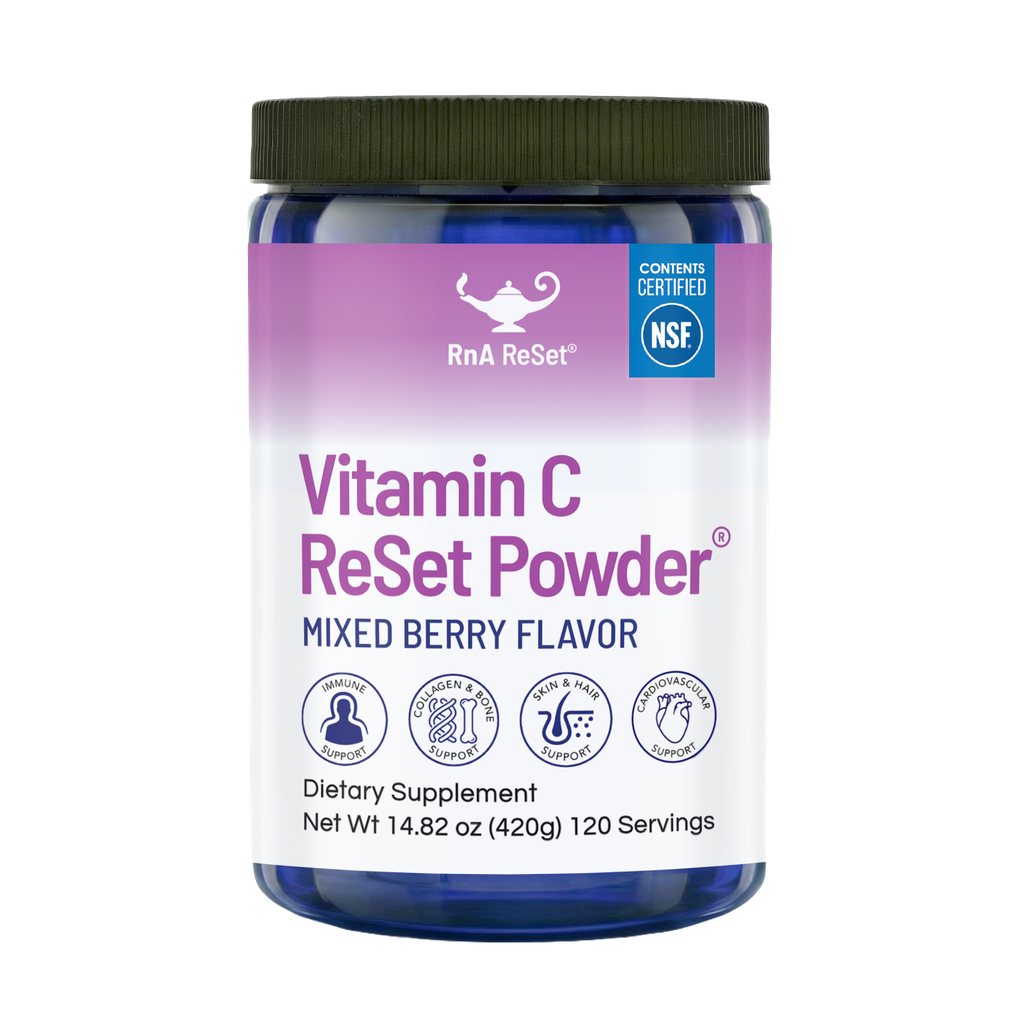
Vitamin C ReSet®
Vitamin C gives the immune system and the inflammatory response crucial antioxidant support. It’s also vital for production of collagen that makes up 30% of our body protein. Collagen modulates immune activity and reduces inflammation through various mechanisms. It helps strengthen tissues and provides essential amino acids that aid in tissue repair and immune regulation.
Buy on rnareset.com View formula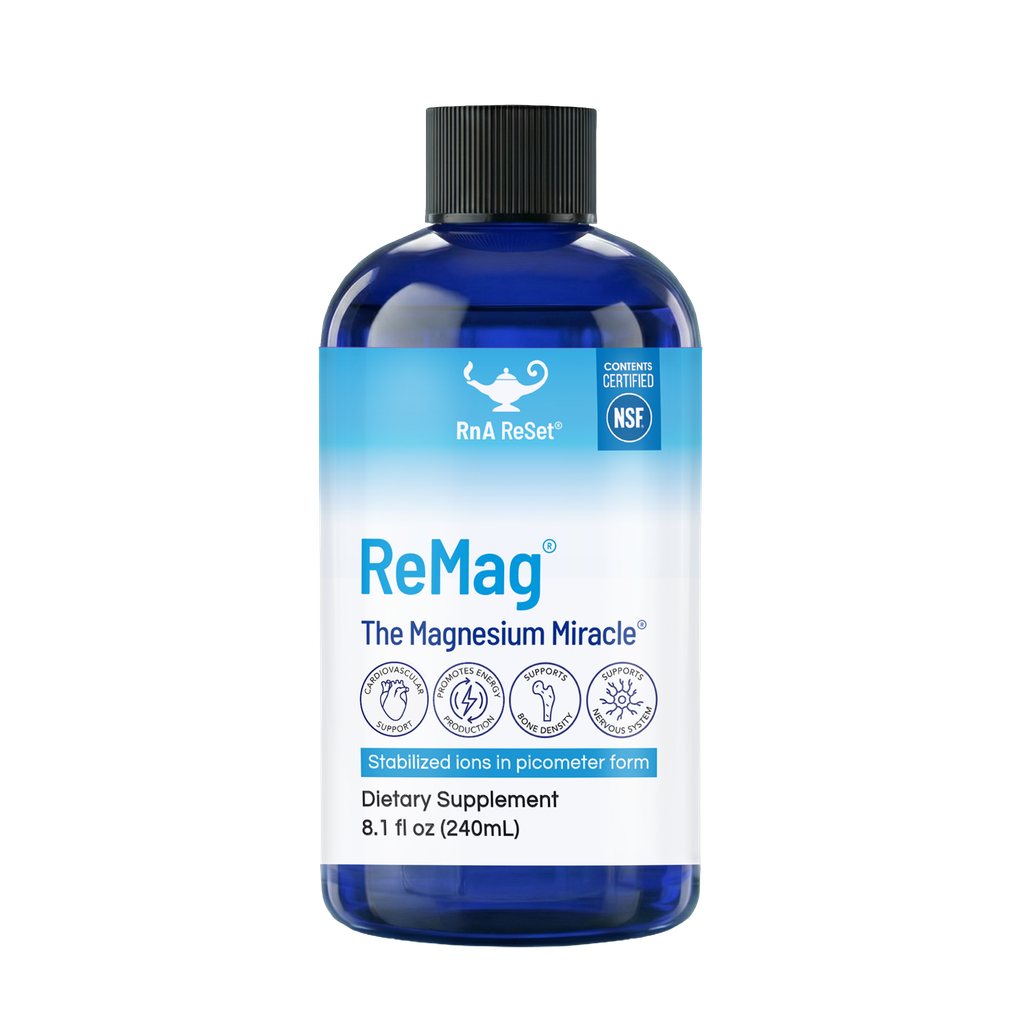
ReMag®
Picometer-sized, stabilized magnesium ions are necessary for the cellular energy and DNA repair that healthy aging depends on. Six hundred to eight hundred enzyme processes and 80 percent of known metabolic functions are powered by magnesium so you can be assured that the immune system and inflammatory processes are involved.
Buy on rnareset.com View formula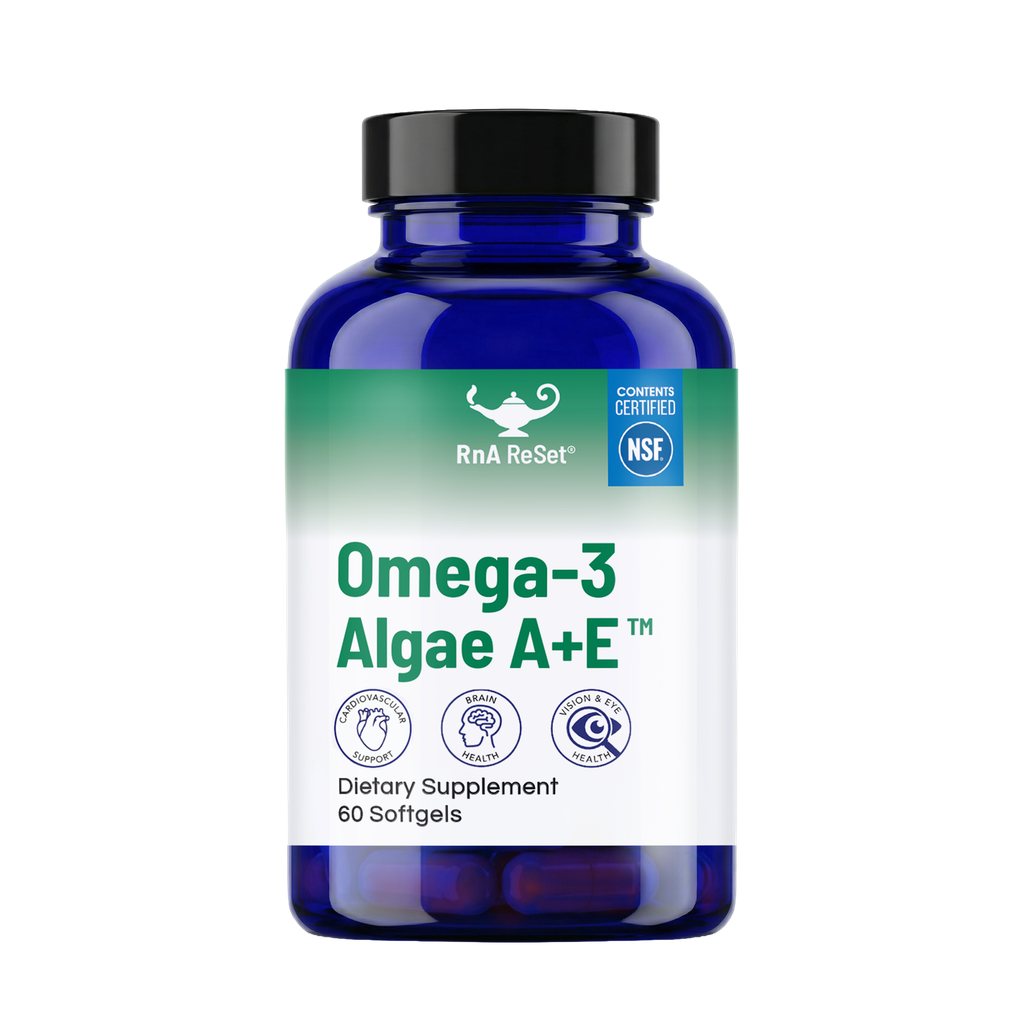
Omega-3 Algae A+E®
Algae-sourced omega-3s with fat soluble vitamins A and E support a strong immune system and a normal inflammatory response.
Buy on rnareset.com View formulaFormulated by Dr. Carolyn Dean. Made and sold by RnA ReSet. Purchased on rnareset.com.
The science of nutrition and synergy
Immune defense is one of the most nutrient-sensitive systems in the body, and it remodels as we age. Zinc sits at the center. The NIH Office of Dietary Supplements notes the role of zinc in normal immune function. Vitamin D is a strong partner in immune resilience. The NIH summarizes how vitamin D supports a normal immune response. Zinc must be delivered in balance with copper in a 10 to 1 ratio.
Inflammation is the other half of the story. A normal inflammatory response rises to do its work and then pulls back while magnesium, omega-3 fatty acids, and vitamin C and antioxidant minerals such as selenium support that balance. Strengthening the immune system seems to take the longest amount of time, but after a few months, people suddenly realize how much stronger they have become. Be patient as you develop nutrient sufficiency and create a foundational investment rather than expect a quick change.
Common questions
What does the Immunity and Inflammation Pillar cover?
It groups two systems that defend and protect the body creating an inflammatory response against invaders that holds them in limbo while delivering blood borne warriors to mop them up. Both systems change with age and lean on the same nutrients. If we don’t add more nutrients, as time goes on, we open the door to aging and an aging immune system.
Which nutrients matter most for immunity and inflammation?
Zinc and vitamin D are necessary for a normal immune response. Magnesium is needed to activate vitamin D. Then selenium and omega-3 fatty acids keep inflammation in check. Vitamin C is added for antioxidant activity and wound healing.
Can these formulas boost my immune system or cure inflammation?
No, according to the FDA, we cannot make that claim. These are vitamins and minerals that should be in our foods; they are not drugs. They support a normal immune response and normal inflammatory balance when nutrients are properly supplied, rather than boosting or suppressing. They do not diagnose, treat, cure, or prevent infection, autoimmune disease, or any inflammatory condition.
Why do results with nutrients take longer to show up?
Immune strengthening seems to move the slowest of all the Pillars. Where clarity or sleep can improve early on, immune and inflammatory balance change gradually, so nutrient sufficiency here is best seen as a foundational investment that really does pay off.
How does this page relate to the other longevity pages?
This is one of six organ-system Pillar pages. It focuses on how immune defense and inflammatory processes change with age and what nutrients support healthy aging. For the daily routine and the full seven-formula foundation, follow the links below.