
Immune Resilience
Lens: ImmuneImmune resilience is your body’s capacity to defend against everyday threats and recover from them. Immune function tends to weaken with age. There is even a name for it – immunosenescence – and it leans heavily on nutrients, especially zinc and vitamin D, which tend to run low in older adults. If you top up your nutrients, you don’t have to experience immunosenescence. TruDiagnostic’s TruHealth panel reads immune markers and reports a percentile, where higher reflects a stronger immune system.
Are you ready to embark on the Maui ReSet Protocol? See the Seven Formulas and the Dosing Schedule so you can do your own Maui ReSet Study.
Start the Protocol →
“People don’t know how good they can feel until they become saturated with nutrients.”
Participants improved their immune markers over six months. This was the category the group improved the least; several readings fell, which the study reports openly. When you read the participants’ stories, I’m sure you’ll be able to identify the people whose immune systems were heavily stressed. However, two participants posted some of the largest immune gains in the whole study.
Behind those numbers are ten everyday people, ages 34 to 79. Immune resilience was the toughest marker to shift in six months, and most readings did not rise. Two participants, however, climbed sharply – let’s look at Suzanne’s and Helen’s numbers.
Where it showed up
Pseudonyms, release gatedpercentile
Suzanne’s immune marker rose from the 38th to the 89th percentile, the largest immune gain in the group. Over the same six months she also slowed her pace of aging and reported a brighter mood.
percentile
Helen’s immune marker climbed from the 36th to the 70th percentile, part of the broad turnaround that made her the study’s strongest overall responder across several markers.
Immunity runs on minerals, vitamins and a healthy gut, which the following foundational nutrients bring together. Pico Zinc Plus® leads, with D3K2 ReSet® and Flora ReVive® in support. Swipe to see each.
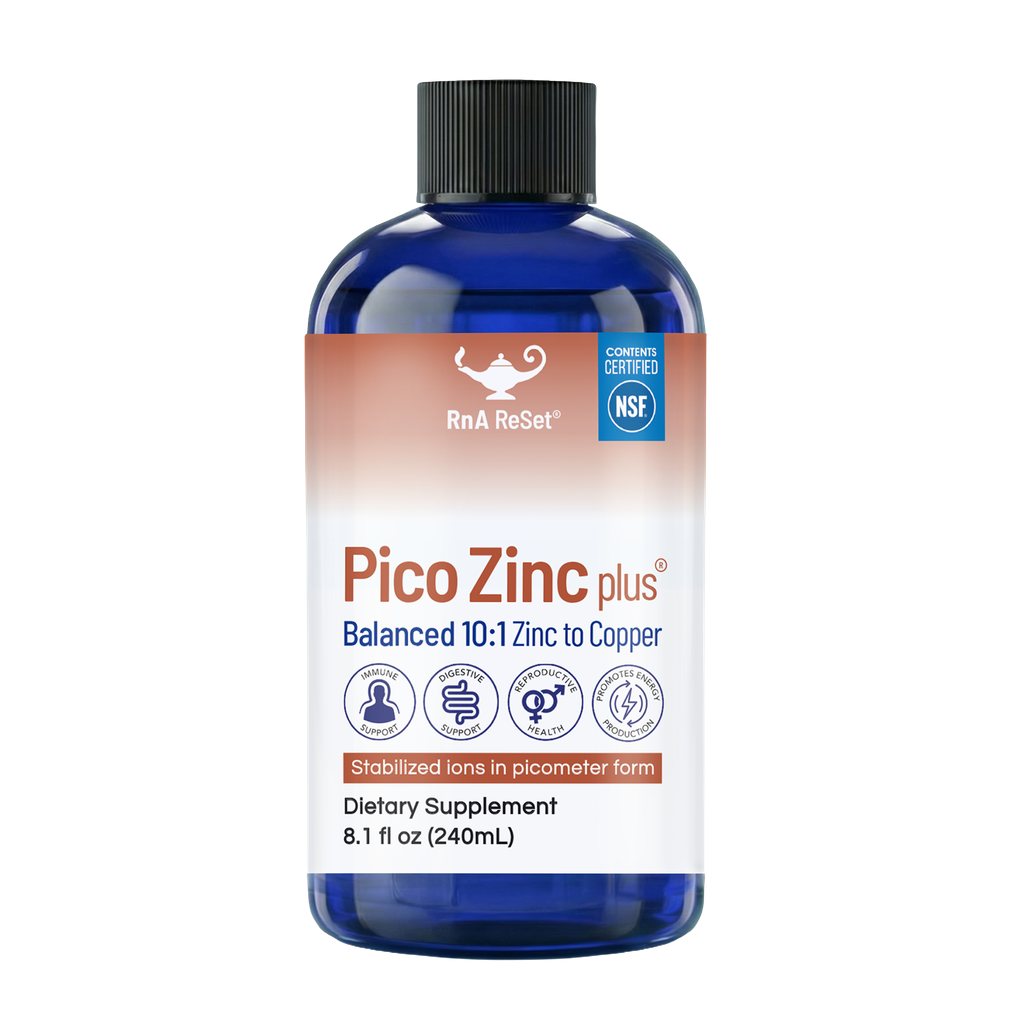
Pico Zinc Plus®
Balanced zinc and copper as highly-absorbed stabilized mineral ions. Zinc is the mineral that immune cells depend on most, and runs low in the older community.
Buy on rnareset.com View formula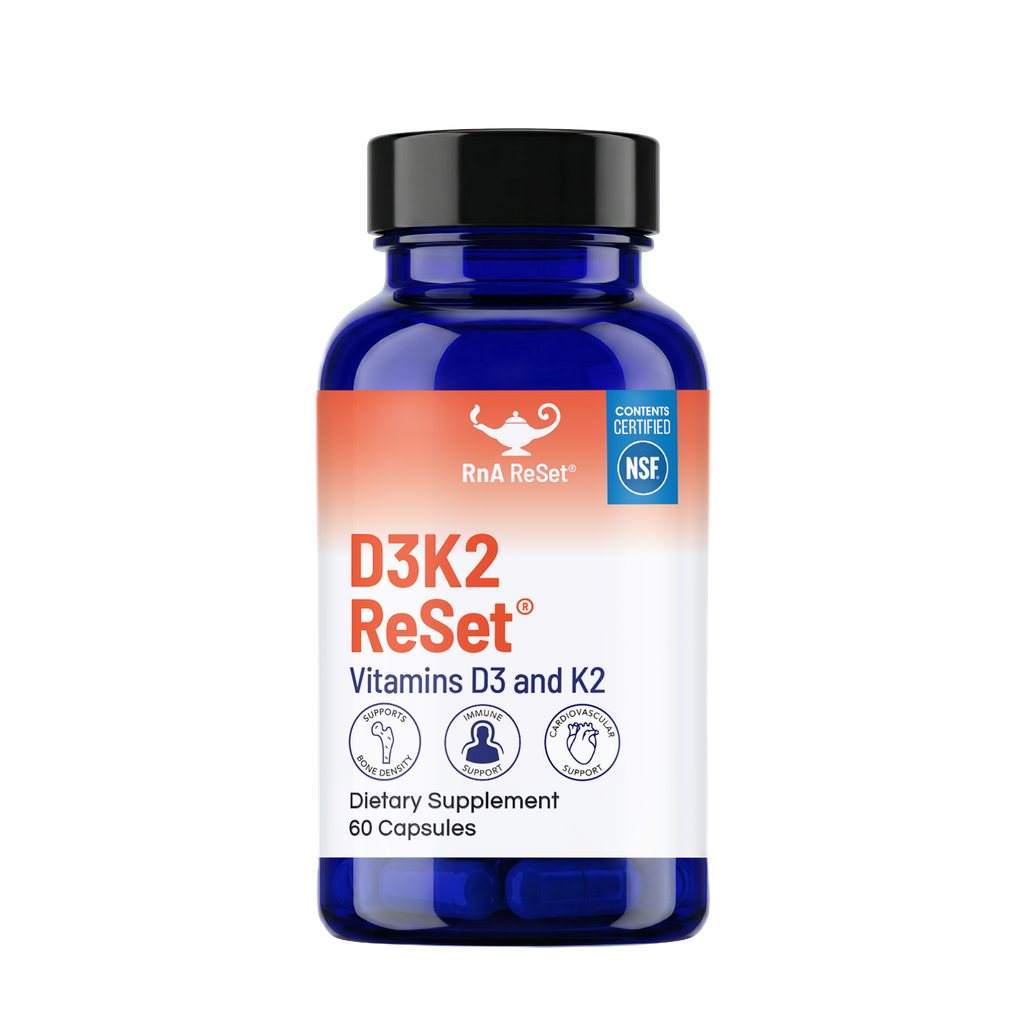
D3K2 ReSet®
Vitamin D enhances the function of immune cells and regulates inflammatory responses. It helps produce antimicrobial proteins and promotes the development of regulatory T cells, which are essential for maintaining immune balance. Low vitamin D is among the most common nutrient shortfalls, especially in older adults and especially occurring in winter.
Buy on rnareset.com View formula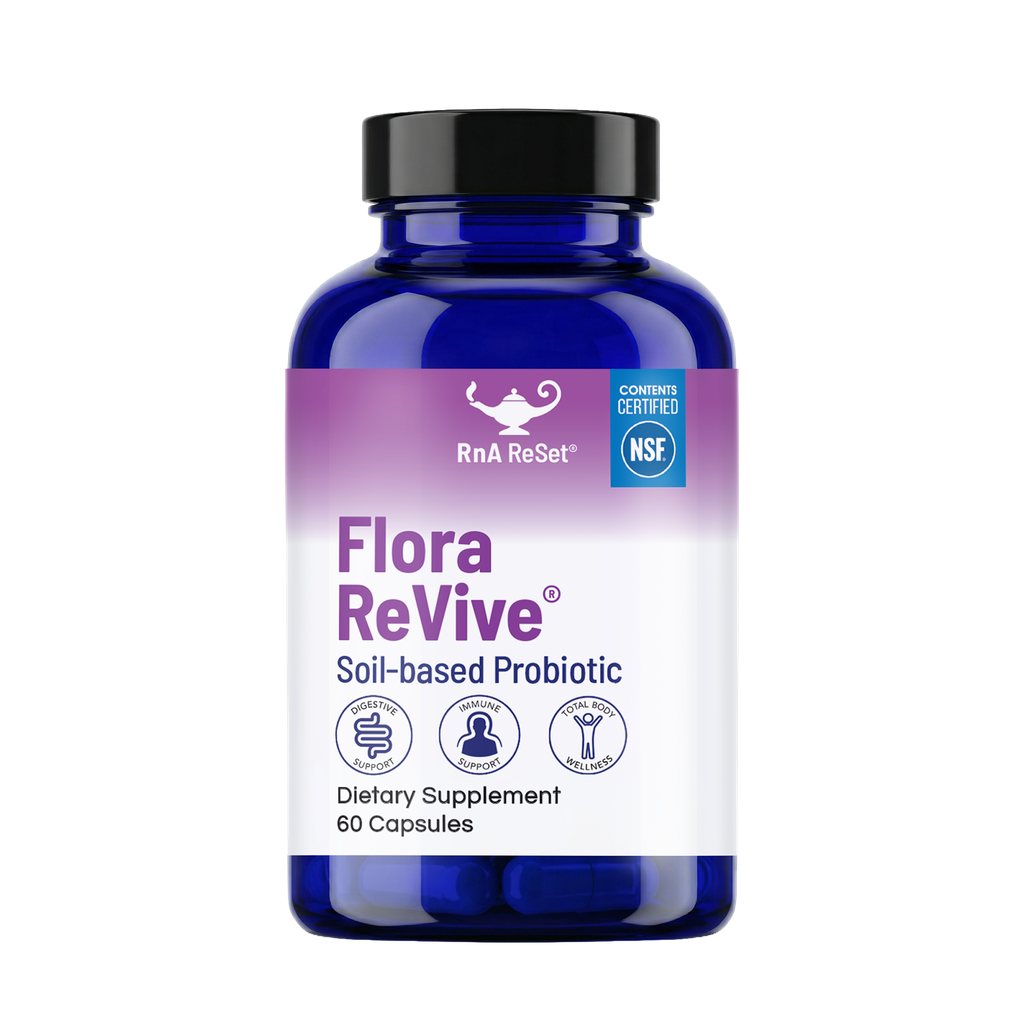
Flora ReVive®
A soil-based probiotic and antifungal for the gut, where much of the immune system resides. It is introduced in the second Phase of the ReSet and was not part of the original Maui ReSet Study. If it had been part of the study perhaps our participants’ immune systems would have become more resilient faster.
Buy on rnareset.com View formulaFormulated by Dr. Carolyn Dean. Made and sold by RnA ReSet. Purchased on rnareset.com.
The science of nutrition and synergy
Immunity depends on nutrient sufficiency, and it tends to decline with age. Zinc is the clearest example. Zinc is essential for innate and adaptive immunity, and marginal zinc deficiency is common in older adults, contributing to immunosenescence, to the point that zinc deficiency is proposed as a link between immune aging and age-related disease. In a randomized trial, zinc supplementation raised zinc status and enhanced T cell function in older adults with low zinc. This is what Pico Zinc Plus® supplies. The Plus in the formula is copper, which is added because, over time, zinc can deplete copper levels and because copper on its own enhances immunity by supporting white blood cell production (neutrophils and macrophages).
The NIH Office of Dietary Supplements notes that vitamin D supports normal immune function, supplied here by D3K2 ReSet®.
Much of the immune system lies in the gut, a healthy gut community supports the body more broadly and is provided by Flora ReVive®.
Commonly asked questions
What is immune resilience, and why does it matter for aging?
Immune resilience is your body’s capacity to defend against threats and then recover. In the average population, immune function gradually weakens with age, a process called immunosenescence, which leaves older adults more vulnerable. Having optimum levels of the nutrients that immunity depends on is part of a healthy aging picture.
How does zinc support immunity?
Zinc is essential for immune cells to develop and function, and marginal zinc deficiency is common in older adults. Clinical trials show that correcting low zinc can improve T cell function. Pico Zinc Plus® supplies zinc balanced with copper, since the two need to be in a proper zinc: copper ratio of 10:1.
Did the Maui ReSet improve everyone’s immune markers?
As reported above not everyone’s immune markers improved as much as we would like. Immune resilience was the category the group shifted least on. Only some participants improved and several readings fell. Six months may be a short window to influence immune changes. We report the full picture, including where the study did not show a broad shift.
What does the immune marker on a TruHealth report mean?
It is an epigenetic signature associated with immune biochemistry, reported as a percentile from 0 to 100 where higher is more favorable. A rising percentile suggests a more resilient profile. It is a trend to watch over time rather than a single reading.
Will these formulas boost my immune system or prevent illness?
The FDA does not allow such claims to be made. These foundational nutrients are supposed to be found in our diet; they are not drugs. They support the normal structure and function your immune system depends on to maintain healthy aging. Speak with your healthcare practitioner about any specific immune concerns you may have.
Your Immune Resilience Is a Starting Point
A lab report is a snapshot, not a diagnosis, and supporting immunity depends on sufficient nutrients. See how ten real people moved over six months, explore the daily protocol, and meet the formulas behind it.

See the Pilot Study
Ten real people, six months, the biomarkers and the honest results.

Explore the Protocol
The guided daily routine built on seven nutrient formulas, run in two phases.
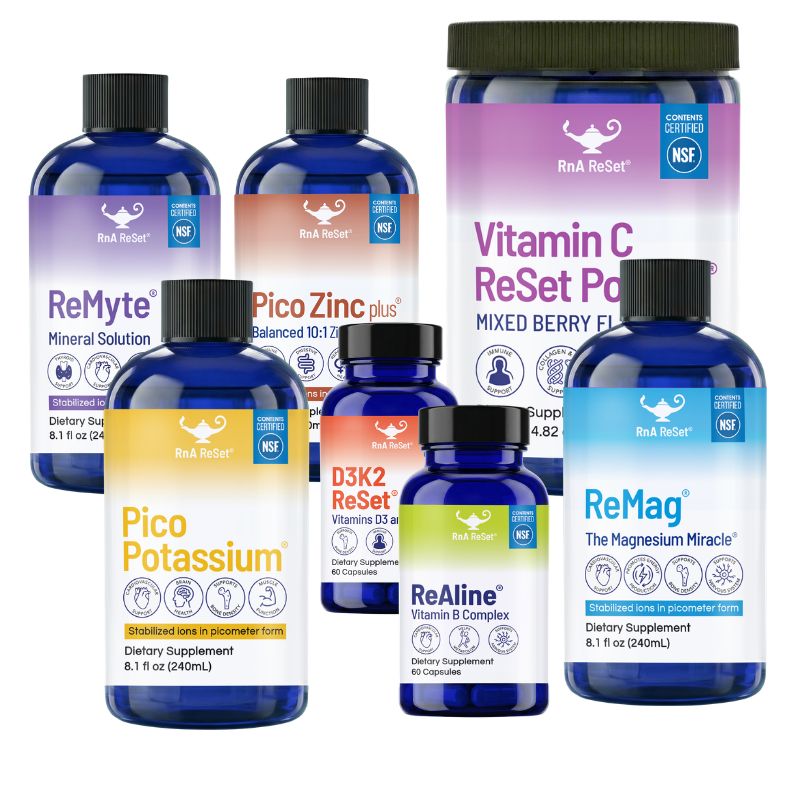
Meet the Maui ReSet Bundle
The seven-formula Maui ReSet Bundle, sold on RnA ReSet as the Cell Nutrient Stack, and the nutrients behind each one.