
Structure & Movement
Systems: Muscle · Bone · JointStaying mobile as you age comes down to making sure your structure doesn’t get rigid; that your muscles contract and relax on cue; and your bones stay dense yet resilient; and your joints move without complaint. All three lean on the same nutrients: magnesium for normal muscle function and the soft tissue scaffolding of your bones; vitamin C for collagen that makes up 30% of body protein; and trace-minerals that support all three: muscles, bones, and joints. This page describes the three systems and the vitamins, minerals, and omega-3 fatty acids that support normal structure and function with age.
Are you ready to embark on the Maui ReSet Protocol? See the Seven Formulas and the Dosing Schedule so you can do your own Maui ReSet Study.
Start the Protocol →
Osteoporosis is neither a normal nor an inevitable consequence of aging. Our bones were designed to last a lifetime.

The systems in this Pillar
Three parts of the body’s framework age together, but they don’t have to age faster than normal. They can all work together with the right nutrients to keep you strong and moving with ease.
Muscle
Strength and easy movement rest on magnesium, with an assist from calcium, with normal muscle contraction (from calcium) and relaxation (from magnesium). Vitamin C is also vital because it makes collagen-rich connective tissue that binds muscle fibers together and gives structural support to bones and joints. Vitamin C, vitamin D3, and omega-3 fatty acids provide the anti-inflammatory factors that keep muscles free of toxins that would otherwise cause soreness and interfere with movement.
Bone
Bone stays dense with calcium but resilient because of a living soft tissue matrix that depends on magnesium. Vitamin D and vitamin K2 direct calcium to the bones. Finally, there are the trace minerals that complete the bony framework.
Joints
Comfortable, mobile joints rely on the collagen that vitamin C helps build and on the healthy fats behind a normal inflammatory response.
The following nutrients are what muscle, bone, and joints actually require. They are drawn from the seven-formula Maui ReSet Bundle, plus Omega-3 Algae A+E, added for the second half of the protocol (months 4-6). Swipe to see each.

ReMag®
Picometer-sized, stabilized magnesium ions are responsible for normal muscle contraction and relaxation (along with calcium). The soft tissue bone matrix provided by magnesium is the scaffolding for bone mineralization. Magnesium also solubilizes calcium in the blood stream so that it doesn’t precipitate into joints, ligaments, and tendons and it directs that calcium to the bones instead.
Buy on rnareset.com View formula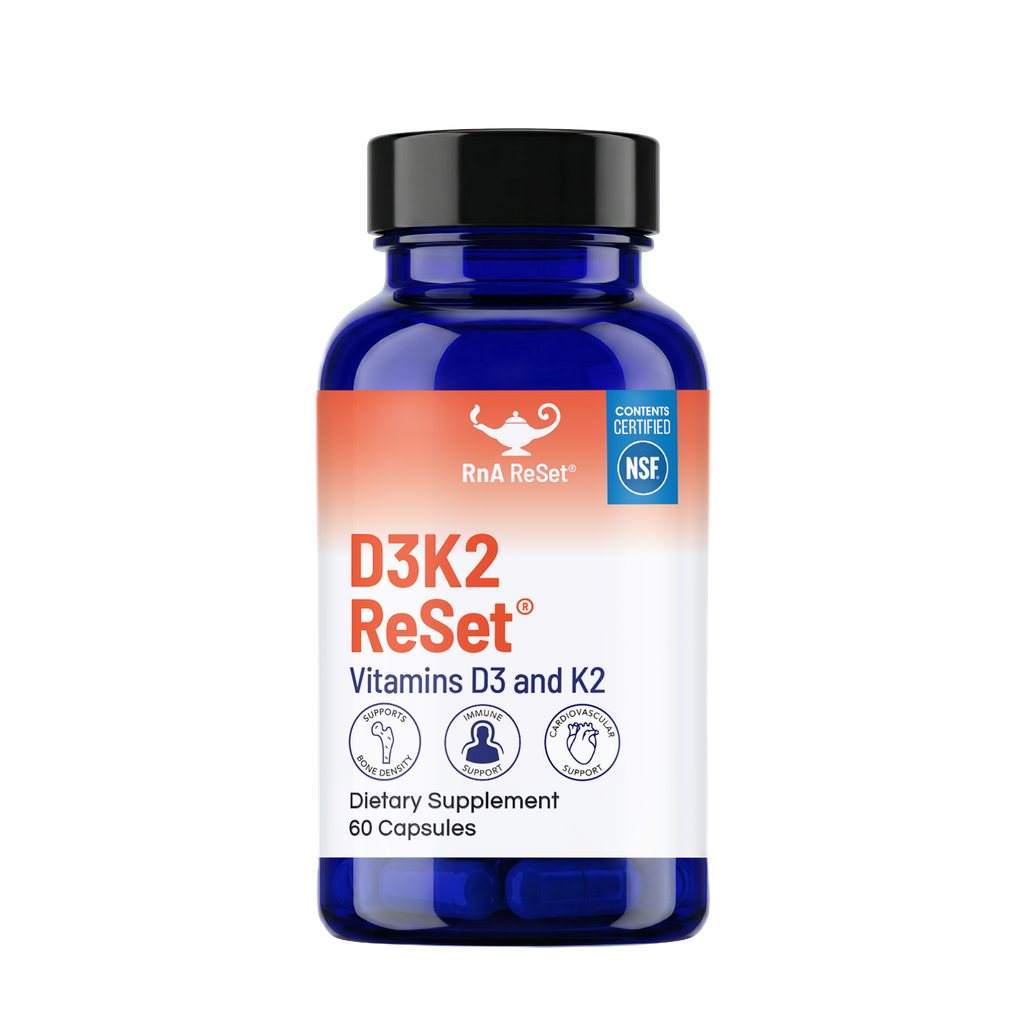
D3K2 ReSet®
Vitamin D3 helps the body absorb calcium supporting normal bone mineralization. Vitamin K2 directs calcium into the bones rather than soft tissue. Magnesium is necessary for activation of vitamin D and also helps direct calcium into the bones.
Buy on rnareset.com View formula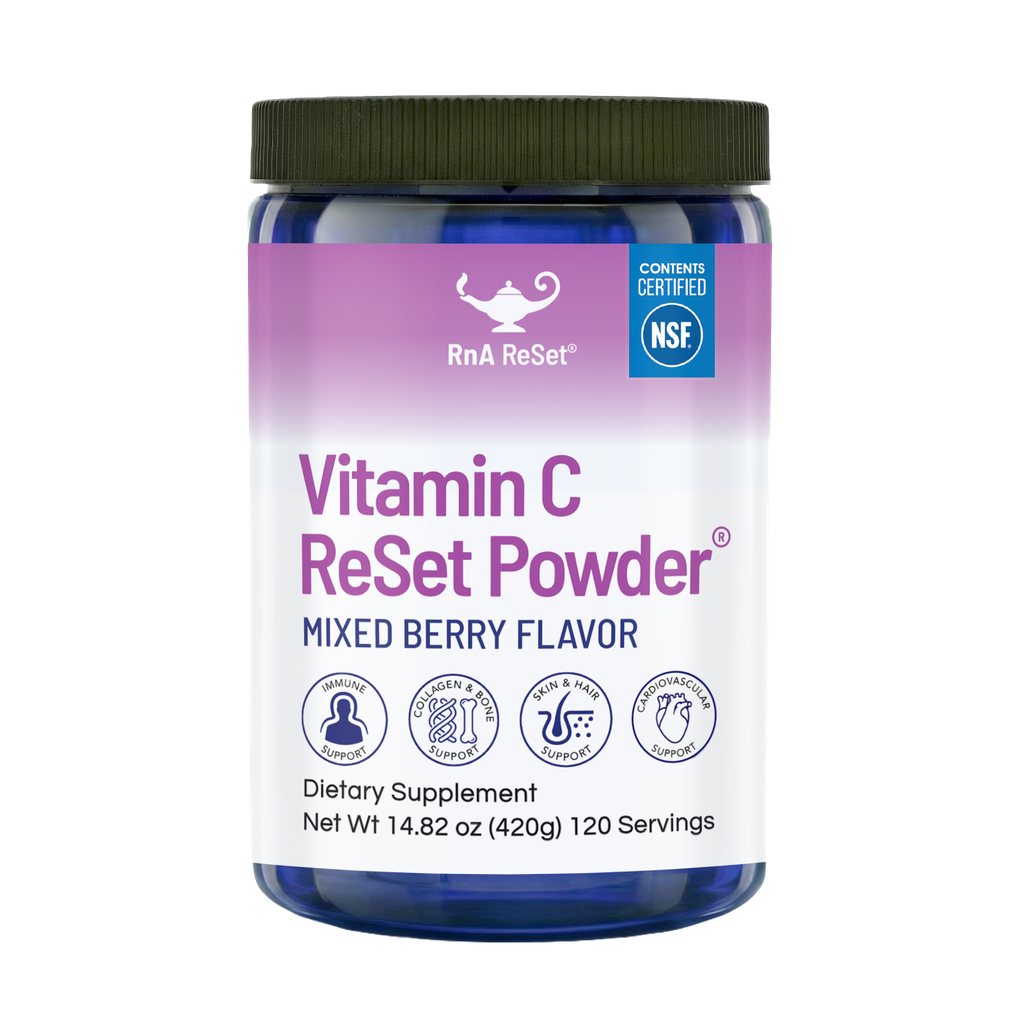
Vitamin C ReSet®
Vitamin C is necessary to build the collagen necessary for the structure of muscle, bone, and joints. It also acts as an important antioxidant for controlling metabolic waste that builds up during exercise.
Buy on rnareset.com View formula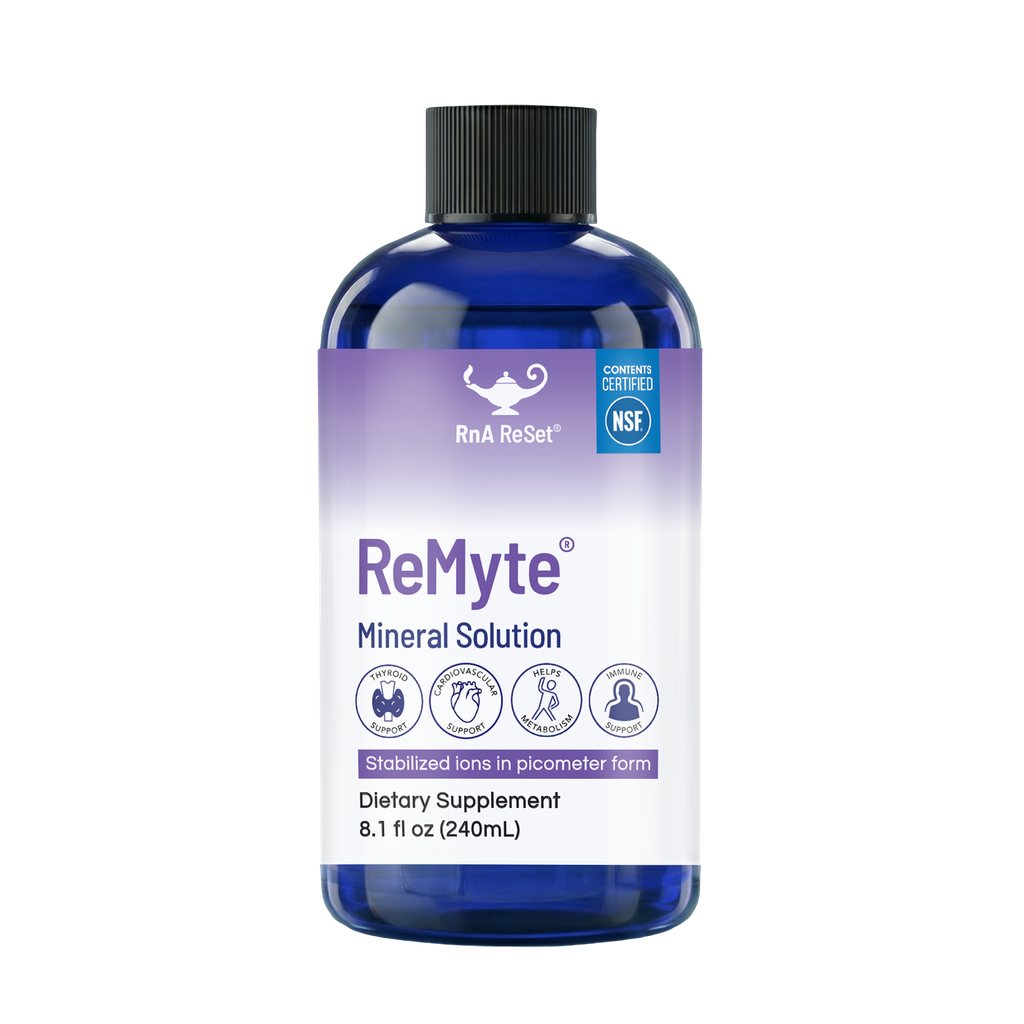
ReMyte®
ReMyte contains twelve picometer-sized, stabilized mineral ions, including boron and manganese that help form the structural framework for our bones.
Buy on rnareset.com View formula
Omega-3 Algae A+E®
Algae-sourced omega-3s with vitamins A and E support a normal inflammatory response in the joints.
Buy on rnareset.com View formula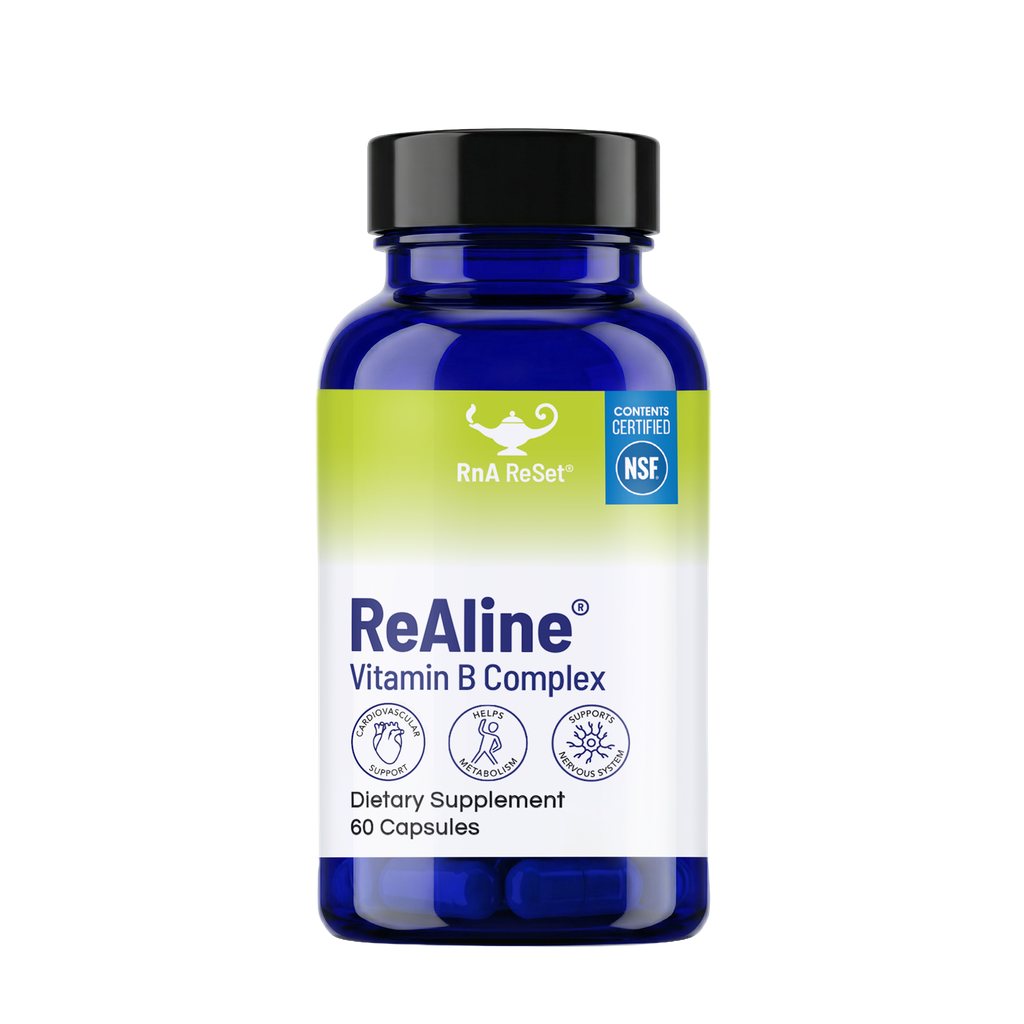
ReAline®
The methylated and food-based B vitamins in ReAline play a crucial role in maintaining bone health by supporting various metabolic processes such as reducing homocysteine levels and influencing bone density and quality. L-methionine and L-taurine in ReAline add a methyl group, and sulfur. Methyl groups are involved with the vital process of bone remodeling. Sulfur is necessary for the formation and maintenance of bony tissue.
Buy on rnareset.com View formulaFormulated by Dr. Carolyn Dean. Made and sold by RnA ReSet. Purchased on rnareset.com.
The science of nutrition and synergy
The body’s framework is obviously mineral-dependent but it’s not just calcium-dependent. Magnesium sits inside the bone as a soft tissue matrix and runs the contraction-and-relaxation cycle of every muscle attached to bone. The NIH Office of Dietary Supplements notes the role of magnesium in normal muscle function and bone structure. Vitamin D is activated by magnesium and the NIH summarizes how vitamin D supports normal bone mineralization by helping the body use calcium, with K2 directing that calcium into bone.
Movement also needs minerals. Vitamin C builds the collagen that muscle, bone, and joints are framed on. Omega-3 fatty acids support a normal inflammatory response in the joints, so the framework stays strong yet mobile. Delivered together, these nutrients support all three organs as they work together.
Common questions
What does the Structure and Movement Pillar cover?
It groups the three parts of the body’s framework that work together and age together: muscles, bones, and joints. All three lean on the same minerals and vitamin C-collagen support, so this page addresses them together rather than separately.
Which nutrients matter most for muscle, bone, and joint?
Magnesium for the soft tissue bone matrix and normal muscle function; vitamin D absorbing calcium with K2 directing it to the bone for mineralization; vitamin C for producing the collagen that makes up connective tissue that holds bone, tendon, and cartilage together – vitamin C deficiency means weak bones, joints, muscles, tendons and cartilage; calcium, boron and trace minerals for the boney framework; and omega-3 fatty acids for a normal inflammatory response in the joints.
Where is the calcium?
By design. In this approach, the goal is not more calcium but the cofactors that put calcium in the right place. Vitamin D that absorbs all the calcium it can from the diet; vitamin K2 that directs that calcium to the bones and teeth; magnesium also places calcium in the bones and acts as the flexible soft tissue matrix of bone, which modulates bone brittleness.
Can these formulas treat osteoporosis or arthritis?
No, and the FDA won’t allow such claims. These are vitamins and minerals normally found in foods; they are not medicines. They support the normal structure and function of muscle, bone, and joint as part of nutrient sufficiency. They do not diagnose, treat, cure, or prevent osteoporosis, arthritis, or any condition. Speak with your health care practitioner about any specific concerns you may have.
How does this page relate to the other longevity pages?
This is one of six organ-system Pillar pages. It focuses on how muscle, bone, and joints age and what nutrients support them. For the daily routine and the full seven-formula foundation, follow the links below.