
Organ Aging
Lens: Whole BodyOur Maui ReSet Study analyzed 527 data points. One of the general points was the Pace of Aging, which is a measurable metric to determine if you are aging “too fast” or if you are aging slower than your peers. Pace of Aging refers to the rate at which your biological age changes relative to your chronological age. A Pace of 1.0 indicates normal aging and biological age and chronological age are neck-in-neck, while values below or above this threshold suggest slower or faster aging. What we want is Slower Aging! And the Maui ReSet Study proved you can do that with the right foundational nutrients!
Then we look at the data points for the organs: heart, brain, kidneys, and muscles each aging on their own timeline, shaped by genetics, use, and the nutrients each system relies on. Advanced biological age blood tests estimate aging organ by organ and give a set of numbers that can actually improve over time. Those numbers are useful because they point to where support is most needed, and because every one of these systems depends on the same foundation of minerals, methylation nutrients, and essential fatty acids the body cannot make on its own.
We’re talking a lot about testing and data points, but we aren’t saying you need to get the testing done. They may not even be necessary because we’ve proven what works. We’ve done the Maui ReSet Pilot Study using all that testing and we show a uniform trend of slowed aging with our participants, which means you can do your own study using the Study Nutrients and expect to achieve similar results, without having to spend money on testing. At the same time, we want to present you with the data to show the possibilities.
Are you ready to embark on the Maui ReSet Protocol? See the Seven Formulas and the Dosing Schedule so you can do your own Maui ReSet Study.
Start the Protocol →
It is obvious to me that the more research is done on nutrients, the more they will find that all the nutrients work together synergistically.
The eleven systems, in six Pillars
The eleven organs naturally cluster into Six Pillars that age because of nutrient decline and therefore need to be supported with nutrients. Each Pillar has its particular organs, its particular aging pattern and how aging manifests, and the shared nutrient foundations that give it healthy support. Select a Pillar to dive deeper.
Mind
Cognition, memory, and mood run on steady methylation biochemistry and healthy blood flow, both of which tend to slow with age. A methyl group is only made up of two elements Carbon and Hydrogen (CH3) but it couldn’t be more important as it affects: Gene Expression, Detoxification, Neurotransmitter Synthesis, and Disease Risk.
Heart & Lungs
Crucial oxygen delivery and circulation affecting heart rhythm and respiratory capacity, all functions leaning on magnesium, potassium, vitamin C, and essential fatty acids.
Structure & Movement
Muscles, bones, and joints are connected with connective tissue made from collagen that is produced under the auspices of vitamin C. They also depend on magnesium, vitamin D3K2, and trace minerals for structure and function.
Filter & Detox
The body’s liver detox works through sulfation and methylation with the B vitamins and sulfur-based amino acids. The body’s fluid-dynamics do their best when nutrients including mineral electrolytes stay in balance.
Metabolism & Hormones
Blood sugar, energy flexibility, and endocrine signaling depend on magnesium and trace minerals such as zinc, selenium, and iodine.
Immunity & Inflammation
Immunity must adapt with age as background inflammation tends to rise, mostly because of nutrient deficiency. Both draw important cofactor nutrient support from zinc, vitamin D, vitamin C, and omega-3 fatty acids.
Systems shown are the eleven commonly modeled in organ-level biological age testing, grouped into six pillars here for clarity. Nutrient links describe support for normal structure and function, not treatment of any organ or condition.
Let’s give you a picture of what we discussed above. Every Pillar above draws on a stable nutrient foundation that we call The Maui ReSet Bundle, which has seven formulas. There are three core minerals and four supporting nutrients, the same seven studied in the Maui ReSet Pilot. Swipe to see each nutrient formula.

ReMag®
Picometer-sized stabilized magnesium ions for cellular energy and DNA repair that healthy aging depends on. Six hundred to eight hundred enzyme processes and 80 percent of known metabolic functions are powered by magnesium.
Buy on rnareset.com View formula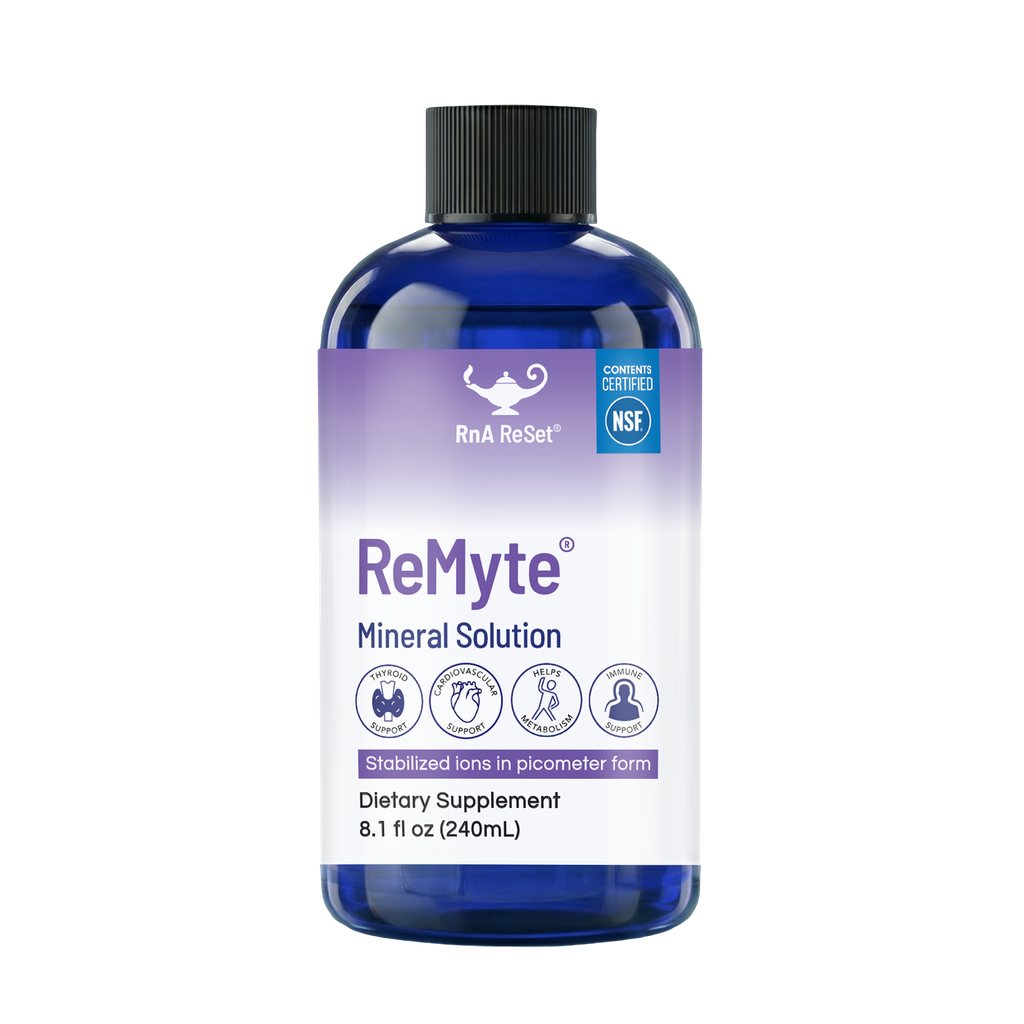
ReMyte®
There are twelve picometer-sized, stabilized mineral ions in ReMyte that replenish the trace elements our cells quietly run short of with age.
Buy on rnareset.com View formula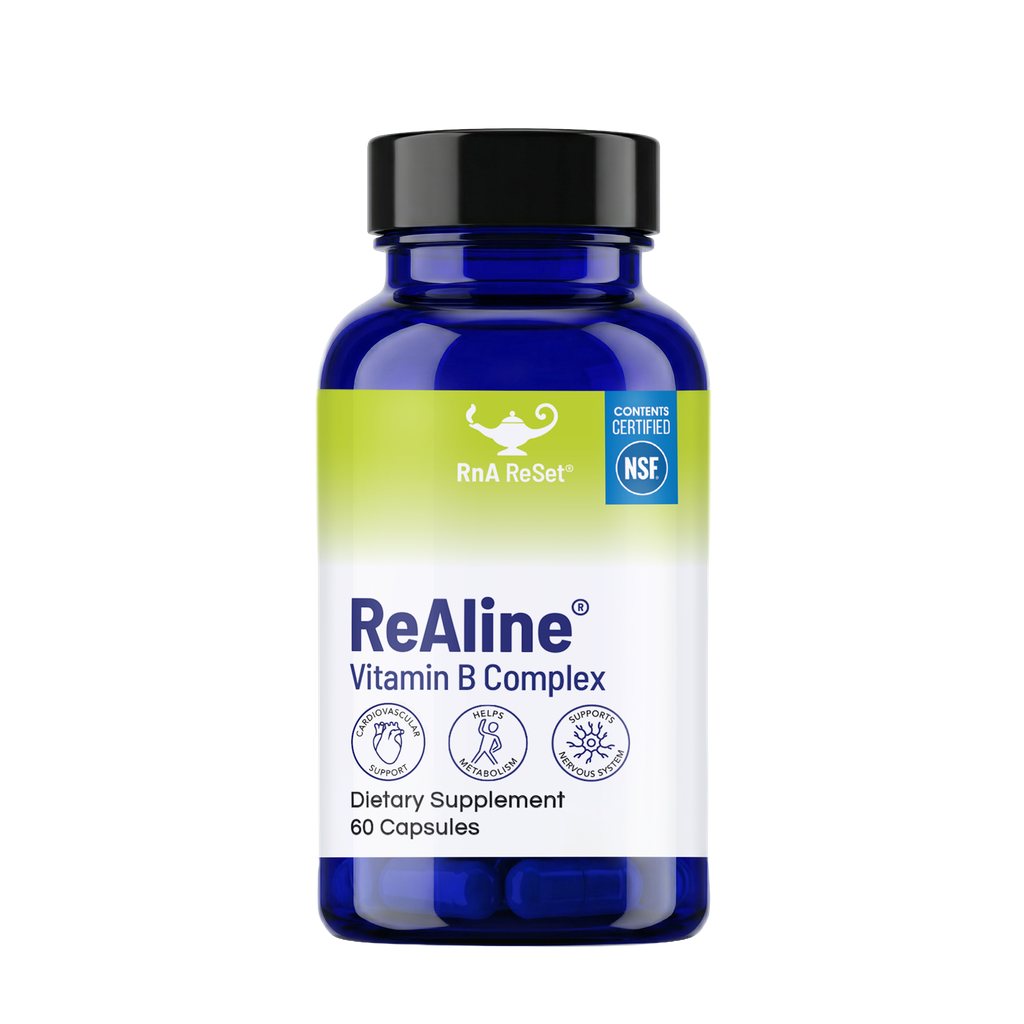
ReAline®
Methylated and food-based B vitamins power methylation processes and add a methyl group (CH3) to DNA, hormones or toxins in the liver. Methylation is tied to healthy aging. There are also two sulfur amino acids in ReAline (L-methionine and L-taurine) that support liver sulfation pathways for detoxification.
Buy on rnareset.com View formula
Pico Potassium®
Potassium is magnesium’s Bestie. They both support heart, nerve, and muscle health that are important to strengthen as we age.
Buy on rnareset.com View formula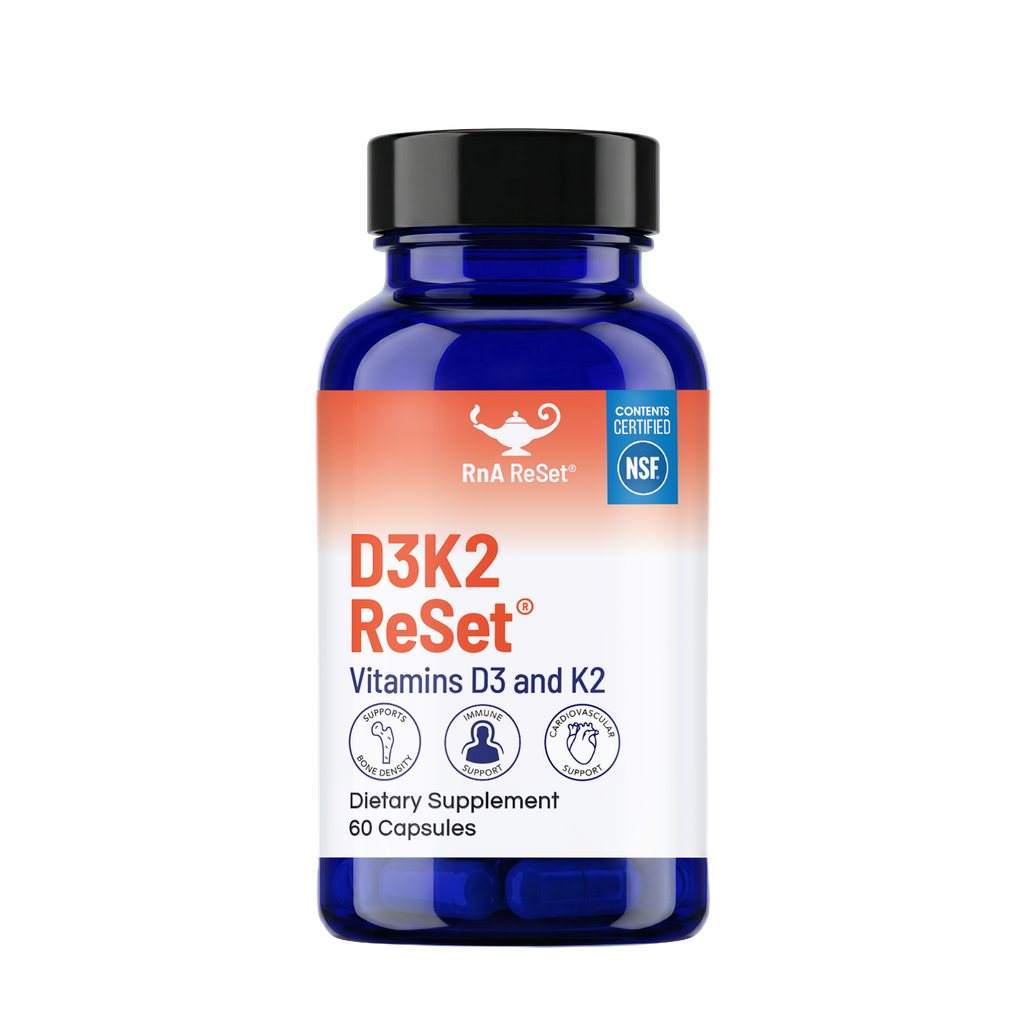
D3K2 ReSet®
Vitamins D3 and K2 working together to support bone strength and normal immune function as you age. Vitamin D activation requires magnesium.
Buy on rnareset.com View formula
Pico Zinc Plus®
Balanced zinc and copper are important for the enzyme activity and antioxidant defenses that support our immune system and healthy aging. Copper is also necessary for proper iron and copper transport and metabolism.
Buy on rnareset.com View formula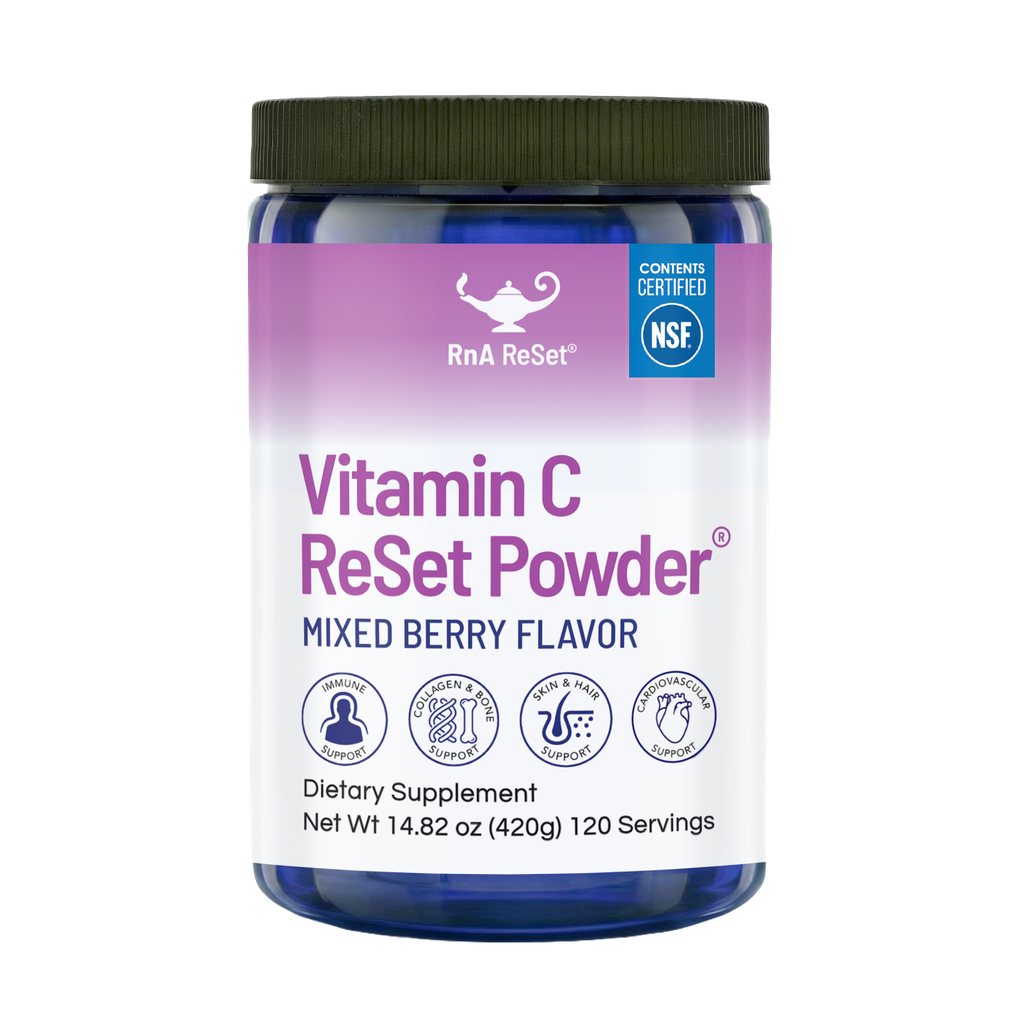
Vitamin C ReSet®
Vitamin C provides crucial antioxidant support and production of collagen that comprises up to 30% of our body protein making healthy blood vessels, connective tissue, skin and mucus membranes.
Buy on rnareset.com View formulaFormulated by Dr. Carolyn Dean. Made and sold by RnA ReSet. Purchased on rnareset.com.
Omega-3 Algae A+E and Flora ReVive are added separately for the second half of the protocol. Pico Silver is an optional addition.
The science of nutrition and synergy
Across all eleven organs, the shared thread is nutrient sufficiency. Magnesium alone is a required cofactor for 600-800 enzymes spanning every system, and even the NIH Office of Dietary Supplements notes the role of magnesium in normal muscle, nerve, and energy function. Trace minerals, the methylated B vitamins, and omega-3s each support the normal structure and function of multiple systems at once, which is why a broad foundation reaches further than any single-organ focus ever could.
Common questions
What does it mean that organs have their own biological ages?
Your body does not age at one uniform rate. Newer biological age tests estimate aging organ by organ, so your heart, brain, or kidneys can each read older or younger than your chronological years. It is a map of where aging is concentrated, read as a trend over time rather than a diagnosis of any organ.
Why do the same formulas appear under so many systems?
We work with all the basic nutrients that each cell requires and these nutrients work synergistically. We aren’t treating disease or organs, we are elevating the health of cells. Each cell comes from the same source, the bone marrow “germ cells.” Magnesium, trace minerals, vitamin A, C, D, E, the methylated B vitamins, and essential fatty acids each support the normal function of several systems at once. That overlap is the reason a broad daily foundation is more sensible than trying to feed one system or one organ at a time.
Can nutrients lower a specific organ’s biological age?
No supplement reverses aging or changes an organ-age reading on its own, and the FDA will not allow such a claim. Nutrients support the normal structure and function each system depends on. The honest goal is sufficiency and a healthier overall pace that we can see over time.
Which system should I focus on first?
We only ran our Maui ReSet Study for 6 months and there were differences in the biological ages of organs but I’m convinced that when/if we do a longer study we will see the biological age of all the organs slow down with the continued use of our foundational nutrients. So, I don’t think we have to isolate any one system; just continue to support the whole body.
Is organ-level age testing proven?
It is a real and active area of research, with published models linking organ-specific aging to health outcomes, but it is young and the estimates are research tools, not clinical diagnoses. If you do methylation testing, treat any organ-age result as a trend to discuss with a qualified healthcare professional.