
Cellular Repair and NAD+
Lens: RepairEvery day our cells can suffer incremental damage, but cellular repair is vigilant, bringing cells back to a normal baseline. Much of that repair work depends on NAD+ (a vitamin B3 [niacin] derivative). It acts as a coenzyme that powers energy production and the necessary repair crews (enzymes like sirtuins and PARP) that restore DNA and impact cell health and longevity. NAD+ tends to decline with age (just as nutrients decline with age) so keeping the repair machinery well supplied with vitamin B3 and magnesium that power the NAD+ NADH shuttle, is very important. TruDiagnostic’s TruHealth panel reads an NAD+ metabolism signature and reports it as a percentile, where higher reflects a more favorable profile. Because it tracks daily cellular housekeeping, this marker can shift within months.
Are you ready to embark on the Maui ReSet Protocol? See the Seven Formulas and the Dosing Schedule so you can do your own Maui ReSet Study.
Start the Protocol →
“Repair is the body’s default setting. Give the cells their minerals and building blocks, and renewal takes care of itself.”
Participants improved their NAD+ metabolism marker on the TruHealth panel over six months. (The largest single move in an individual participant was from the 19th to the 82nd percentile.)
These numbers refer to ten everyday people, ages 34 to 79. Cellular repair is one of these behind-the-scenes but crucial and necessary processes and if not for epigenetic testing we wouldn’t know its activity. In our study, it showed up clearly with an NAD+ marker for seven of our ten participants. Let’s look at the two strongest responders, both of whom climbed from a low starting point into the top of the range.
Where it showed up
Pseudonyms, release gatedpercentile
Arlene’s NAD+ metabolism marker rose from the 19th to the 82nd percentile, the largest single move in the group. She also reported feeling more rested and clear, with improved sleep by the second night on the protocol.
percentile
Claudia’s NAD+ marker climbed from the 41st to the 83rd percentile, ending with the highest percentile in the group. Over the same six months she reported the largest drop in symptoms in the group.
Cellular repair runs on minerals and B vitamins, available in these foundational nutrients: ReMag® for magnesium, ReAline® for the B vitamins, and Pico Zinc Plus® for zinc and copper. Swipe to see each.
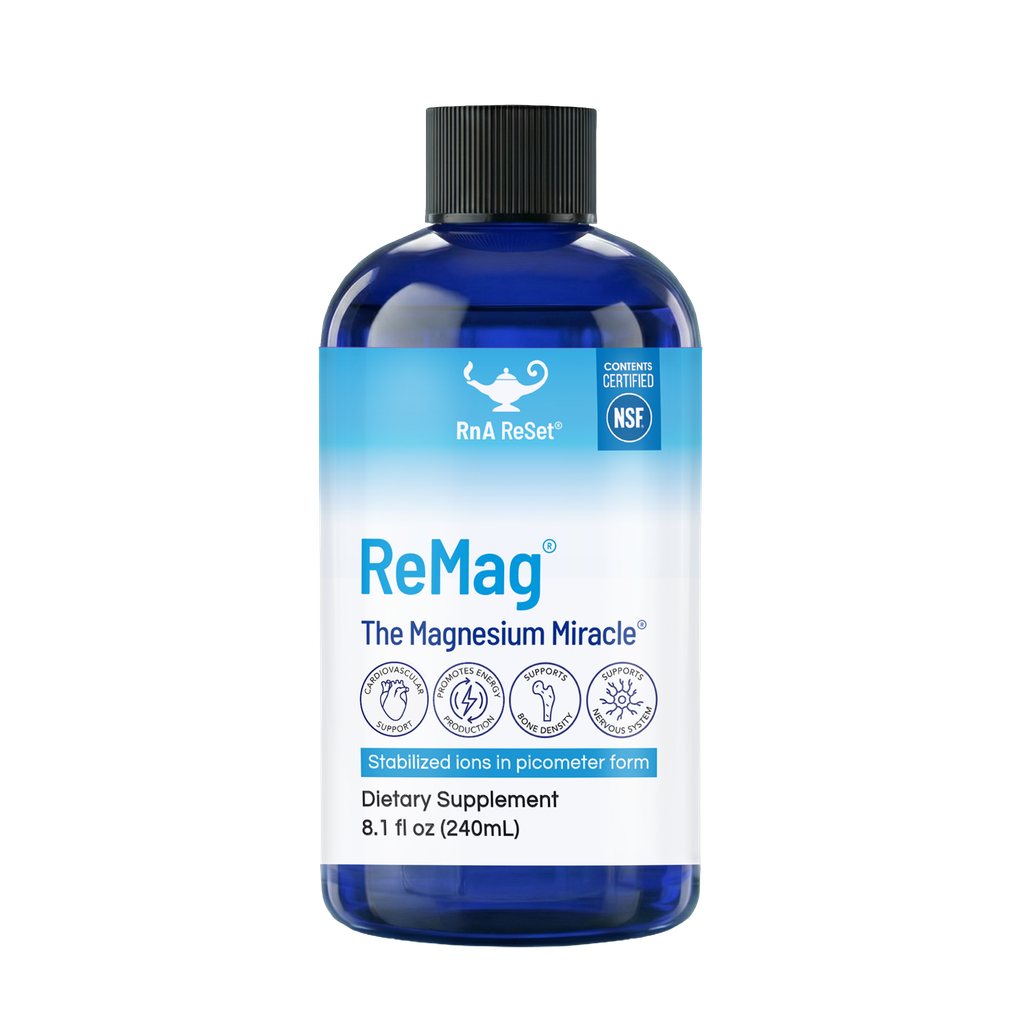
ReMag®
Highly-absorbed, picometer-sized, stabilized ions of magnesium, are required cofactors for the DNA repair enzymes and the NAD dependent reactions important for cell metabolism. Sufficient magnesium is foundational to daily repair.
Buy on rnareset.com View formula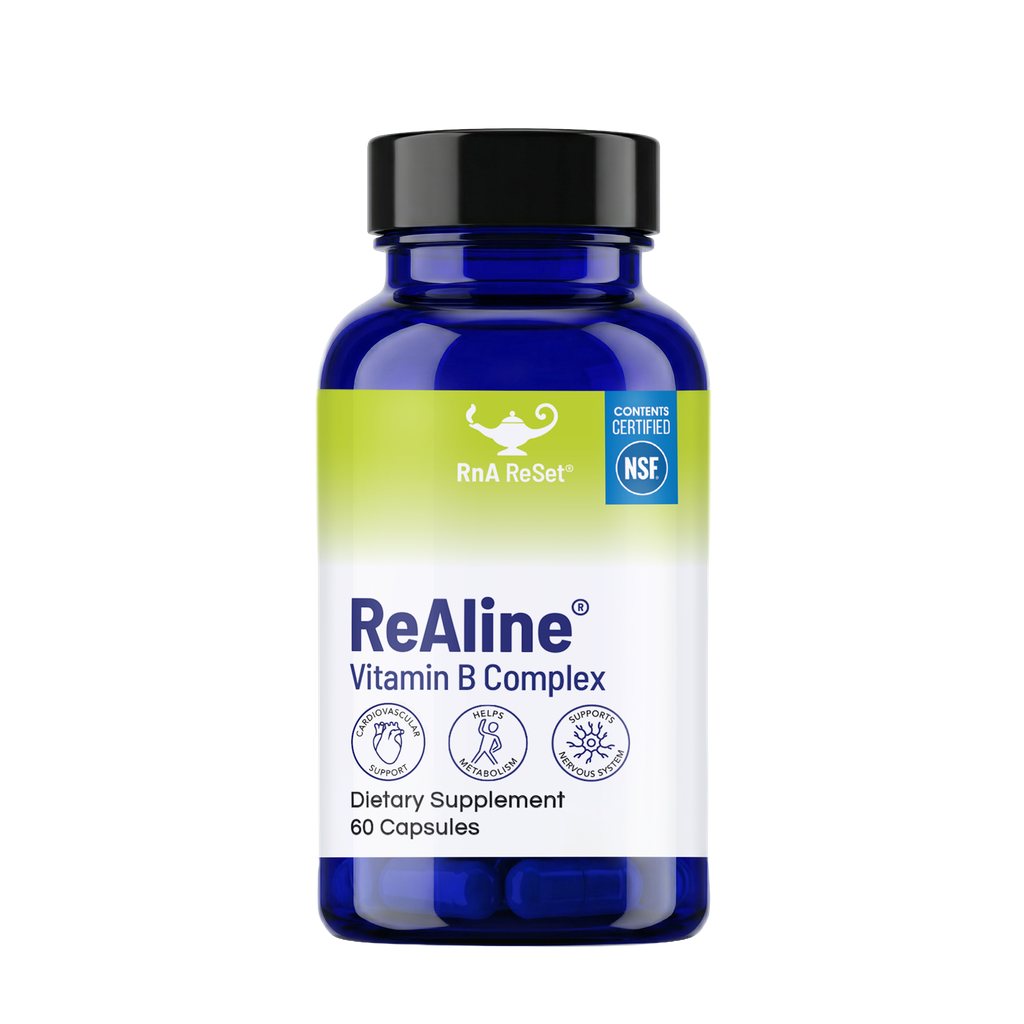
ReAline®
Methylated and food-based B vitamins with amino acids L-methionine and L-taurine. Methyl folate, methylated B12, B2, and B6 and the methyl group in L’methionine are invaluable precursors in the methylation pathways that are needed to build and maintain DNA which in turn affects development, aging, and the regulation of gene activity.
Buy on rnareset.com View formula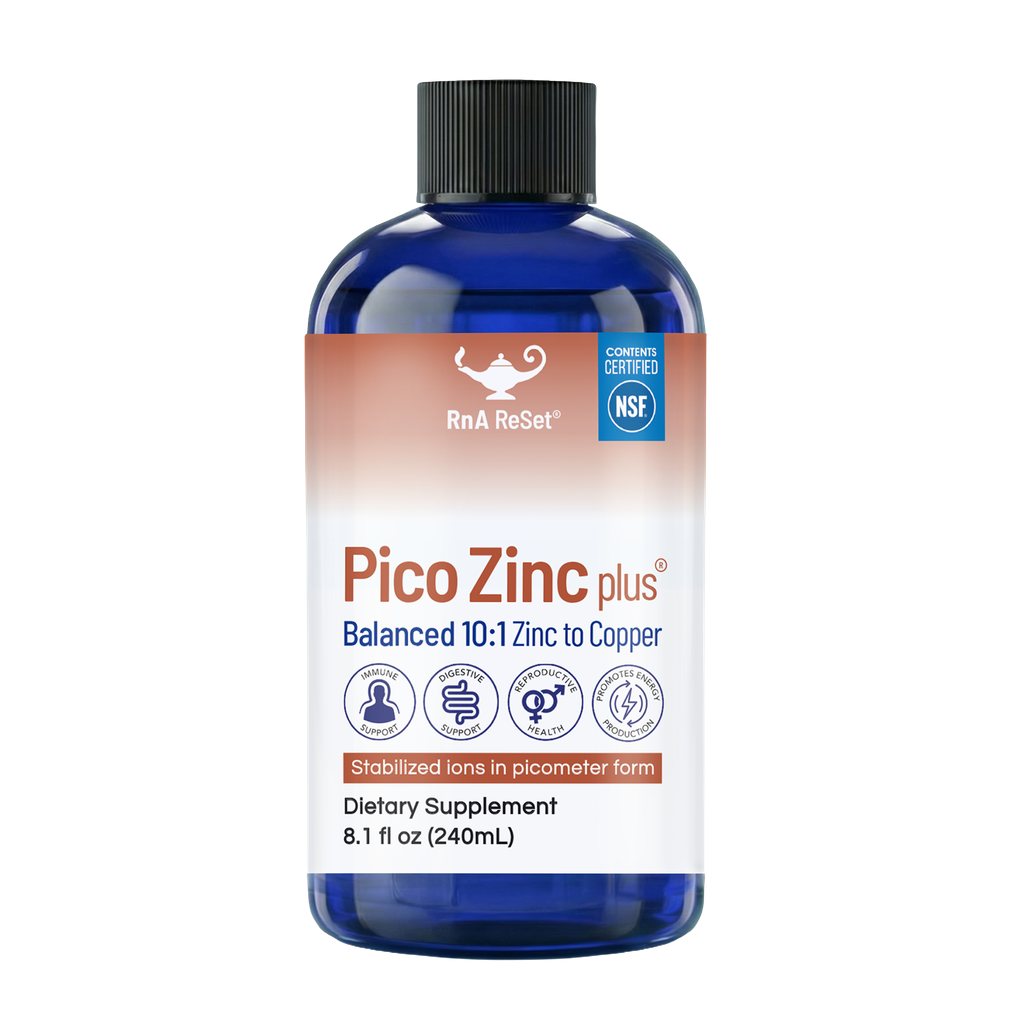
Pico Zinc Plus®
Balanced zinc and copper as highly-absorbed stabilized mineral ions. Zinc is a cofactor in various biochemical processes including: sensing DNA damage; assisting DNA repair enzymes; and for the antioxidant defenses that protect cells between repairs.
Buy on rnareset.com View formulaFormulated by Dr. Carolyn Dean. Made and sold by RnA ReSet. Purchased on rnareset.com.
The science of nutrition and synergy
NAD+ is a coenzyme (a derivative of niacin [vitamin B3]) at the center of cellular repair. It powers the sirtuins and PARP enzymes that repair DNA and maintain cells. Tissue NAD+ levels decline with age, which is linked to reduced DNA repair and other aging expressions. That’s why we have to keep supplying building blocks to support this vital process. The repair crews that use NAD+ do not work alone. They depend on a steady supply of minerals as well as B vitamins to function.
Magnesium is one of the most important tools for DNA repair. Magnesium is an essential cofactor in nucleotide excision repair, base excision repair and mismatch repair, and is required to maintain genomic stability. More broadly, folate, vitamin B12, B2, B6, niacin, magnesium, and zinc are each required for DNA replication, damage sensing and repair. Shortfalls raise genomic instability. That is why we recommend taking the foundational nutrients together rather than as high dose individual synthetic supplements.
Commonly asked questions
What is NAD+, and why does it matter for aging?
NAD+ is a coenzyme derived from vitamin B3 (niacin) that every cell uses for energy and repair. It powers the sirtuin and PARP enzymes that repair DNA and maintain cells. NAD+ levels tend to fall with age, so supporting the associated nutrients is part of a healthy aging picture.
What does the NAD+ marker on a TruHealth report mean?
It is an epigenetic signature associated with NAD+ metabolism, reported as a percentile from 0 to 100 where higher is more favorable. A rising percentile suggests a profile more consistent with active cellular repair and energy metabolism. It is a trend to watch over time rather than a single score. The time frame for our Maui ReSet Study was 6 months.
Do these formulas raise my NAD+ levels?
According to the FDA, we cannot make that claim. Minerals and B vitamins support the repair enzymes and the NAD dependent reactions that keep cells maintained, so the biochemical process has what it needs. This is sufficiency, not a treatment, and results vary.
Can minerals and B vitamins really support cellular repair?
Yes, they act as cofactors. Magnesium is required for several DNA repair pathways and for genomic stability. Folate, B12, zinc, and niacin are each needed for building and repairing DNA. Keeping them well supplied helps the repair machinery work.
Will these formulas lower my biological age?
We cannot say or claim that any one supplement reverses aging or changes a biological age test on its own. These formulas support the normal structure and function necessary for cell repair and for the cells’ energy production.
Your Repair Capacity Is a Starting Point
A lab report is a snapshot, not a diagnosis, and supporting cellular repair depends on sufficient nutrients. See how ten real people moved over six months, explore the daily protocol, and meet the formulas behind it.

See the Pilot Study
Ten real people, six months, the biomarkers and the honest results.

Explore the Protocol
The guided daily routine built on seven nutrient formulas, run in two phases.
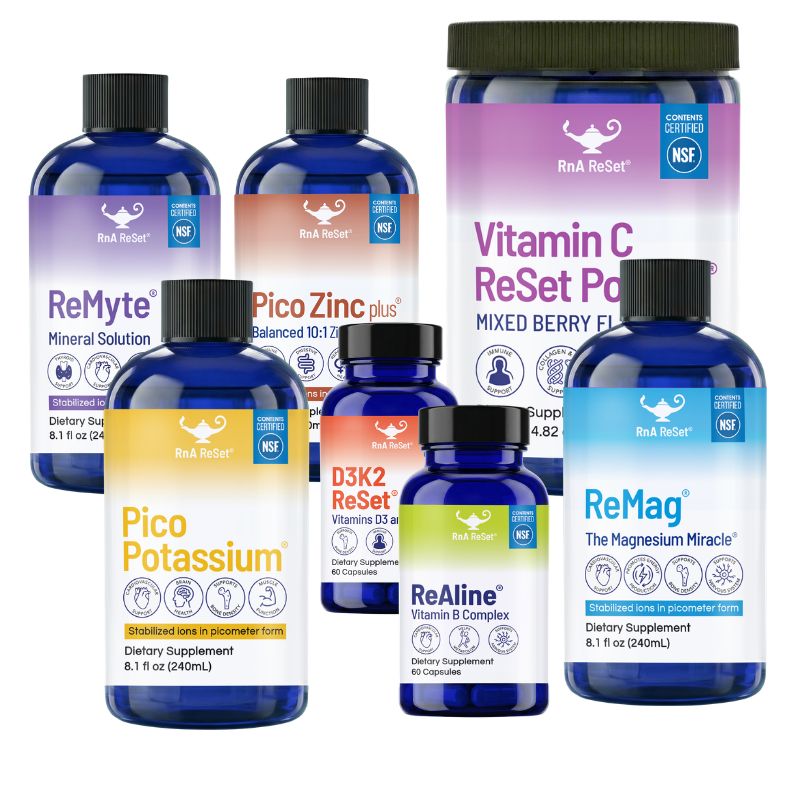
Meet The Maui ReSet Bundle
The seven-formula Maui ReSet Bundle, sold on RnA ReSet as the Cell Nutrient Stack, and the nutrients behind each one.