
Stress Recovery
Lens: ResilienceStress recovery is your body’s capacity to meet pressure and be able to bounce back. A resilient system handles a hard day and settles back down, rather than staying switched on. Magnesium sits at the center of that recovery, calming the stress response and helping the nervous system reset. Stress burns through magnesium, so the two are linked in a loop. TruDiagnostic’s TruHealth panel reads a stress marker and reports it as a percentile, where higher reflects a steadier, more resilient profile. Because it responds to daily load and mineral status, this marker can shift within months.
Are you ready to embark on the Maui ReSet Protocol? See the Seven Formulas and the Dosing Schedule so you can do your own Maui ReSet Study.
Start the Protocol →
“Stress burns through your magnesium, and low magnesium makes stress hit harder. Break that cycle and the body remembers how to stay calm.”
Participants improved their stress recovery marker on the TruHealth panel over six months. (The largest single move, from the 11th to the 81st percentile, was the sharpest shift of any participant in any category.)
Behind that number are ten everyday people, ages 34 to 79, living ordinary lives with real stress and real health histories. Stress resilience did not move the same way for everyone, and in some participants their readings fell, which correlated with excessive stress in their lives. The full picture, including the participants whose readings held steady or rose, is told on the study page. Click Here. Here are the two strongest responders, including the sharpest single shift in the whole study.
Where it showed up
Pseudonyms, release gatedpercentile
Even though Emily had a demanding six months, including a serious health event along the way, she doubled down on taking care of herself and her stress recovery marker made the largest single jump of anyone in the pilot, a very positive shift from the 11th to the 81st percentile. You can click to Emily’s story here.
percentile
Stress was an area of focus for Claudia, and her marker made a positive climb from the 28th to the 61st percentile. Over the same six months she also reported the largest drop in symptoms of anyone in the group. You can click to Claudia’s story here.
Stress resilience is primarily a magnesium story, so the most important nutrient is magnesium. ReMag® leads, with ReAline® and Pico Potassium® in support. Swipe to see each.
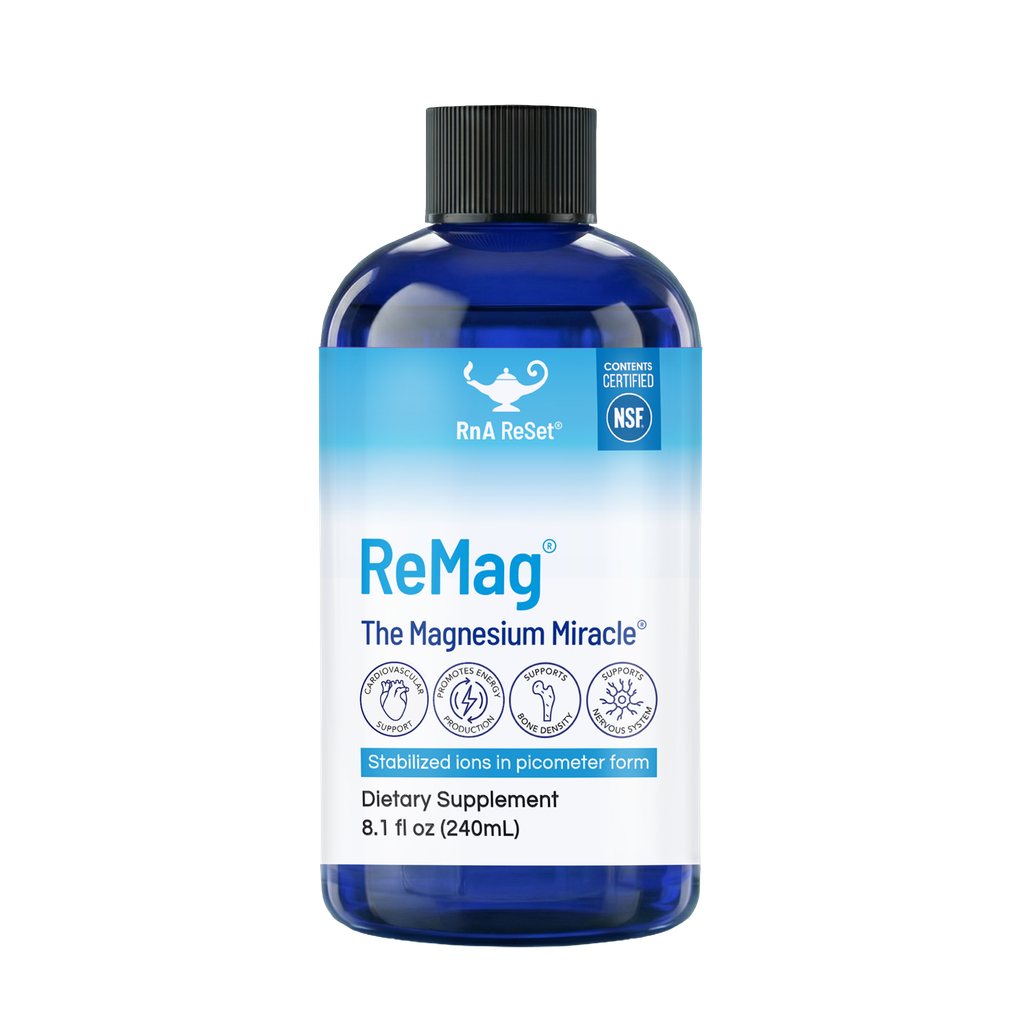
ReMag®
Highly-absorbed picometer-sized stabilized magnesium ions make up this formula. Magnesium is the mineral the body leans on to calm the stress response and reset the nervous system. Stress depletes it, so daily intake is the foundation of recovery.
Buy on rnareset.com View formula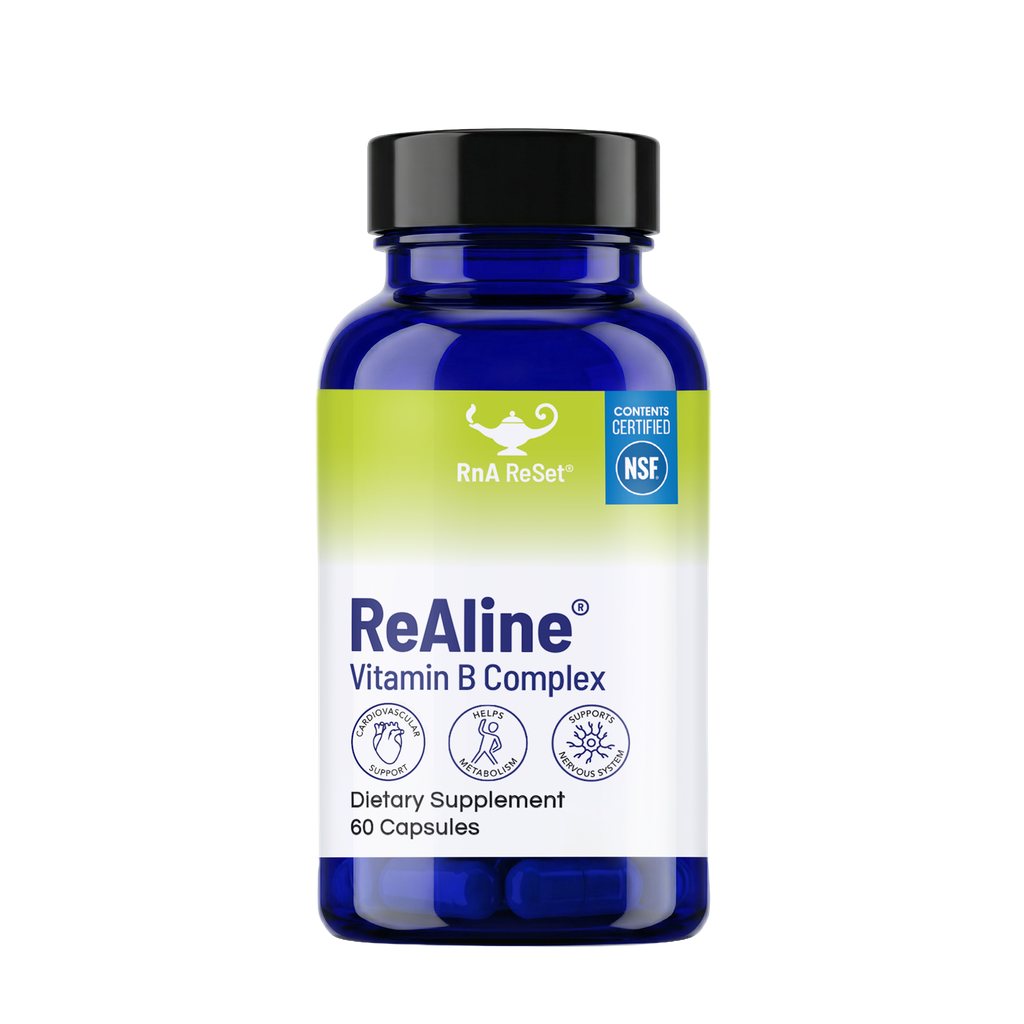
ReAline®
Methylated B vitamins including vitamin B6, which pairs with magnesium to calm the nervous system, and L’taurine, a sulfur-based amino acid, which plays a vital role in the nervous system.
Buy on rnareset.com View formula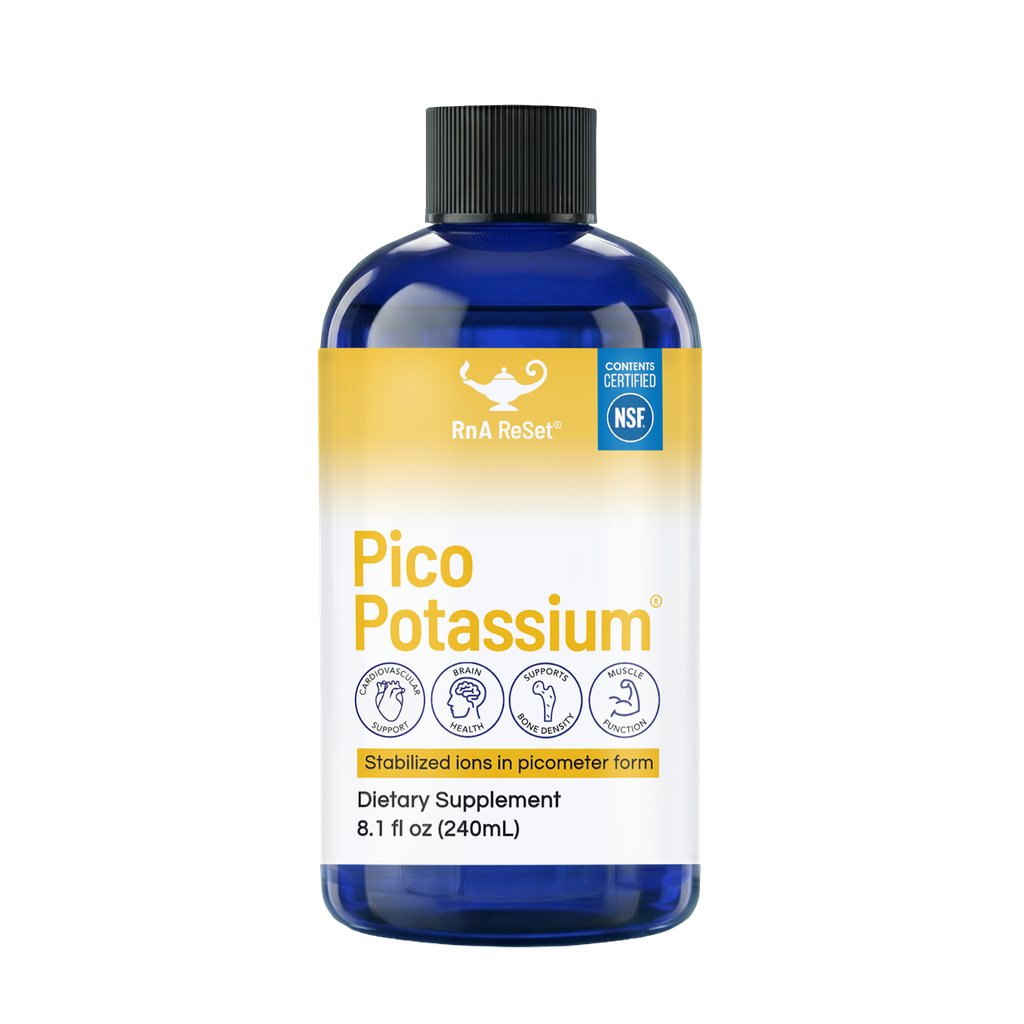
Pico Potassium®
Highly-absorbed picometer-sized, stabilized ions of potassium work alongside magnesium for the fluid balance and nerve signaling that a steady, nervous system relies on day-to-day.
Buy on rnareset.com View formulaFormulated by Dr. Carolyn Dean. Made and sold by RnA ReSet. Purchased on rnareset.com.
The science of nutrition and synergy
Stress recovery rests on magnesium, and the relationship runs both ways. Magnesium helps regulate the body’s stress response, while stress itself increases magnesium loss, a vicious circle where low magnesium and high stress feed each other. That is why optimizing magnesium intake is important and why ReMag® provides the foundation, along with the B vitamins and L’taurine in ReAline®, and Pico Potassium® supporting a calm, well-regulated nervous system.
Independent research connects these nutrients to how people feel under stress. In stressed adults with low magnesium, magnesium supplementation reduced perceived stress over eight weeks, and a systematic review found magnesium beneficial for subjective anxiety in people who are vulnerable to it. Adding vitamin B6 to magnesium improved anxiety, mood, and quality of life in stressed adults, the same pairing of ReMag® and ReAline®.
Commonly asked questions
What is stress recovery, and why does it matter for aging?
Stress recovery is your body’s capacity to meet stress and either adapt to it or recover from it, settling back down rather than staying switched on. Chronic, unresolved stress is hard on the body over time, so a system that recovers well is part of a healthy aging picture.
What does the stress marker on a TruHealth report mean?
It is an epigenetic signature associated with stress biology, reported as a percentile from 0 to 100 where higher is more favorable. A rising percentile suggests a steadier, more resilient profile. It is a trend to watch over time rather than a single verdict.
How does magnesium help with stress?
Magnesium helps regulate the body’s stress response and calm the nervous system, and stress in turn depletes magnesium, so the two form a loop. Keeping magnesium at optimum levels supports a calmness that the body relies on. Clinical trials link magnesium sufficiency with lower perceived stress, especially in people who start low.
Why pair magnesium with vitamin B6?
Vitamin B6 works with magnesium in the nervous system, and a clinical trial found that adding B6 to magnesium improved mood and quality of life in stressed adults more than magnesium alone in those most stressed. ReAline® supplies B6 as well as the other methylated B vitamins, with magnesium as the foundation.
Will these formulas treat my anxiety or stress?
We cannot claim that vitamins and minerals will treat anxiety or any condition. They support the normal structure and function of your nervous system and stress response, part of an optimum nutrient approach to a calm and balanced nervous system over time. Speak with your health care practitioner if you have questions about anxiety.
Your Stress Recovery Is a Starting Point
A lab reading is a snapshot, not a diagnosis, and how steadily you recover is the part you get to support with nutrients. See how ten real people moved over six months, explore the daily protocol, and meet the formulas behind it.

See the Pilot Study
Ten real people, six months, the biomarkers and the honest results.

Explore the Protocol
The guided daily routine built on seven nutrient formulas, run in two phases.

Meet the Maui ReSet Bundle
The seven-formula Maui ReSet Bundle, sold on RnA ReSet as the Cell Nutrient Stack, and the nutrients behind each one.